🌱18 Plants You Can Grow Year-Round Hydroponically
Honestly, I’m surprised more people don’t grow food indoors. Growing food hydroponically lets you harvest fresh produce year-round and cut entire categories out of your grocery bill. If I can inspire even a handful of people to start, I’ll consider that a win.
A good hydroponic system—like an AeroGarden or Rise Garden—can feel like an investment upfront, but it pays for itself over time. Between the savings, convenience, and food quality, it’s one of the easiest ways to become more self-sufficient. If you handy and love a good DIY then you can totally build your own hydroponic system (I’m working on a couple myself and will share soon).
Disclosure: Some of the links below are affiliate links, meaning, at no additional cost to you, I will earn a commission if you click through and make a purchase.
If you want fresh herbs, leafy greens, and even vegetables year-round, the good news is that many plants thrive in hydroponic systems. This makes it possible to harvest homegrown produce regardless of the season. Whether you're using an AeroGarden, Click & Grow, Rise Garden or another hydroponic garden, choosing the right plants can make all the difference. Some crops grow quickly with very little maintenance, while others can be a bit more tricky..
In this post, we will look at 18 plants that you can grow hydroponically year-round, including beginner-friendly herbs, productive leafy greens, and high-yield fruiting crops. For each plant, you'll learn why it performs well in hydroponics, its light and nutrient requirements, common challenges, and practical tips to help you succeed. It doesn’t matter if you're just getting started with hydroponics or looking to expand your indoor garden, these plants can help you maximize your harvests and enjoy fresh food every month of the year.
For every plant I have given a “Best System” recommendation, this is not meant to imply that you can’t grow them in another system. You sure can, these are just my suggestions for how I have best been able to grow them. But use what you have and grow what you want, because you won’t know until you try. I have also added a rating for each plant, so if you are a total newb you can use this as a guide in terms of which ones to try first. Or if you just want to jump in with both feet then follow your heart and grow whichever ones speak to you.
🌱 Hydroponic Difficulty Rating
🟢 Beginner-Friendly
Easy to grow, forgiving of mistakes, grows reliably in most hydroponic systems.
🟡 Intermediate
Requires a bit more attention to lighting, nutrients, temperature, or harvesting techniques.
🔴 Advanced
Less forgiving, longer growing cycle, higher nutrient demands, pollination requirements, or space challenges.
🥬 Lettuce
🌱 Why grow lettuce hydroponically?
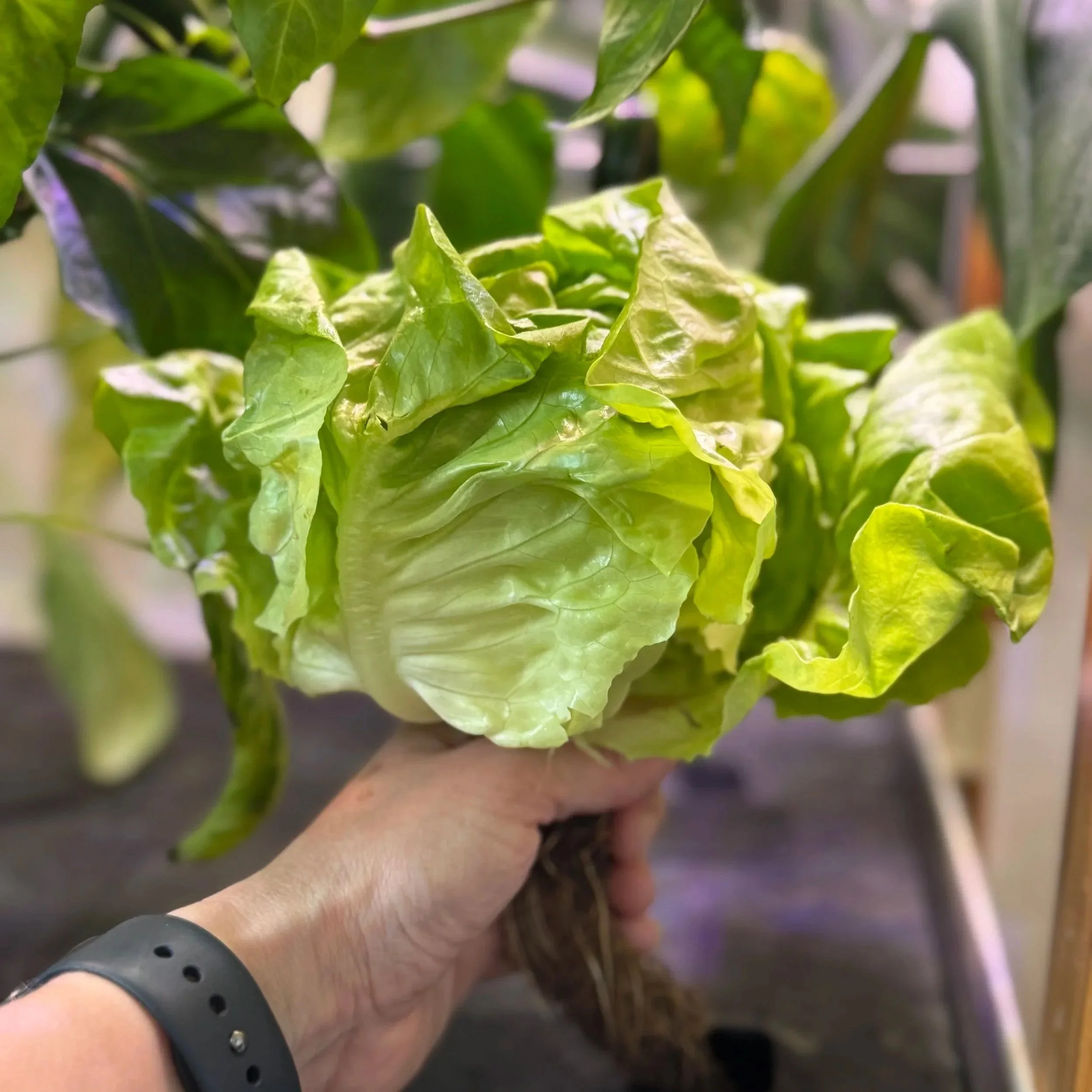
Lettuce is one of the most reliable hydroponic crops because it grows quickly, stays in a continuous leafy growth cycle, and does not require flowering or pollination. In hydroponics, it produces tender, clean leaves with fast turnaround times and minimal space requirements. Honestly, I prefer lettuce grown hydroponically to outdoors, as an added bonus it frees up space in my outdoor garden for crops that are harder to grow indoors. Compared to soil growing, hydroponic lettuce is more consistent, grows faster, and is less affected by pests or environmental fluctuations.
⚙️ Best systems
Any AeroGarden
Any Rise Garden
Any Click & Grow
If you want a LOT of lettuce continuously then the CG25 is an ideal option. Built around succession planting you can grow multiple lettuce to harvest every week on a 5-week cycle.
🟢 Beginner
💡 Light requirements
Lettuce prefers 12–16 hours of moderate light daily. Too much heat or intensity can trigger bolting and bitterness.
🧪 Nutrient needs
Light feeder. Requires balanced nutrients but is sensitive to overfeeding, which can cause tip burn.
⚖️ Ideal pH range
5.5–6.5
🌿 Growth timeline
Germination: 3–7 days
First harvest: 3–4 weeks
Full cycle: 4–6 weeks
✂️ Harvest method
Cut outer leaves first (cut-and-come-again) or harvest whole heads depending on preference.
⚠️ Common problems
Tip burn from calcium imbalance
Crowding reduces airflow and quality
Bolting when temperatures become too warm (Less likely indoors than outside)
💡Pro tip: Keep roots cool and stagger plantings every 1–2 weeks for continuous harvests.
🥬 Spinach
🌱 Why grow spinach hydroponically?
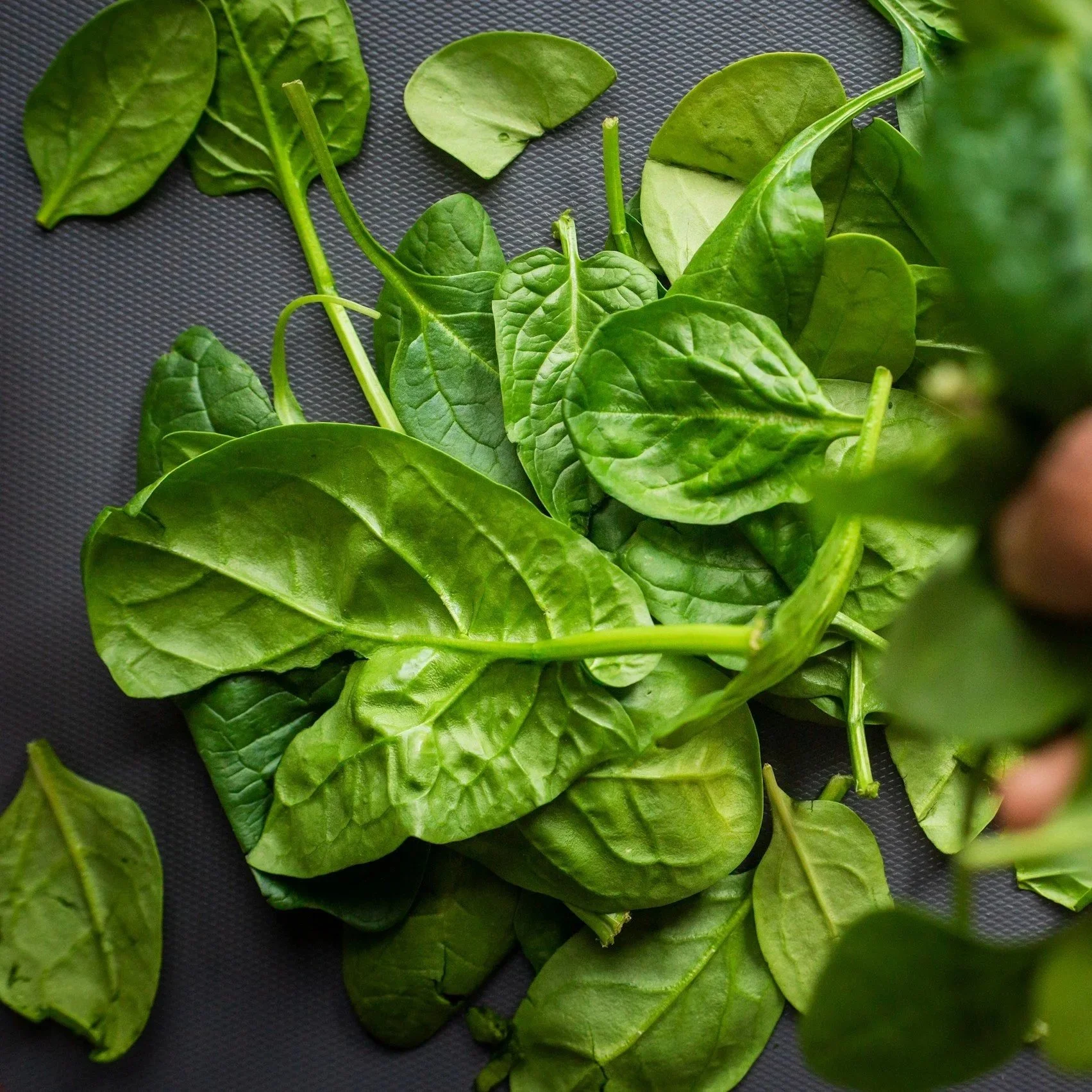
Spinach grows quickly and produces tender leaves when environmental conditions remain cool and stable, which is much easier to control when growing indoors. Plus, any time I have tried to grow it outside the leaf miners seems to feast on it before I can! Rather than grow this a bit at a time, I like to grow a big batch of it (think CG25 but planted ALL at the same time) and then harvest it all at once, chop it, and freeze in using super cubes. This saves me buying the pre-frozen cubes to use in a delicious batch of Italian Wedding Soup!
⚙️ Best systems
Rise garden (lower level)
Click & Grow 25
The suggestions above are based on the assumption that you want to grow a lot at once, if you only want one plant then any system will do.
🟢 Beginner
💡 Light requirements
Spinach grows best with 12–14 hours of light per day.
Unlike fruiting crops, spinach does not require extremely intense lighting. Moderate, consistent light encourages steady growth while helping to reduce the risk of bolting.
🧪 Nutrient needs
Spinach is a light to moderate feeder and prefers a balanced nutrient solution that supports leafy growth.
It generally requires less fertilizer than heavy-feeding crops like tomatoes, peppers, or cucumbers, making it a relatively easy plant to manage.
⚖️ Ideal pH range
6.0–7.0
🌿 Growth timeline
Germination: 5–14 days
Baby leaf harvest: 3–4 weeks
Mature leaf harvest: 5–6 weeks
Continuous production: Several weeks with proper harvesting
Spinach can be slower to germinate than lettuce, but it quickly catches up once established.
✂️ Harvest method
For the longest harvest period, pick the largest outer leaves first while allowing the center of the plant to continue producing new growth.
Alternatively, harvest the entire plant at once if you prefer larger quantities for cooking or freezing.
⚠️ Common problems
Slow or uneven germination
Bitter leaves caused by heat stress
Yellowing leaves from nutrient deficiencies
Reduced growth in low-light conditions
Bolting when temperatures become too warm (Less likely indoors than outside)
Spinach is generally easy to grow but performs best when kept cool.
💡 Pro tip: Best grown in cooler rooms.
🥬 Kale
🌱 Why grow kale hydroponically?
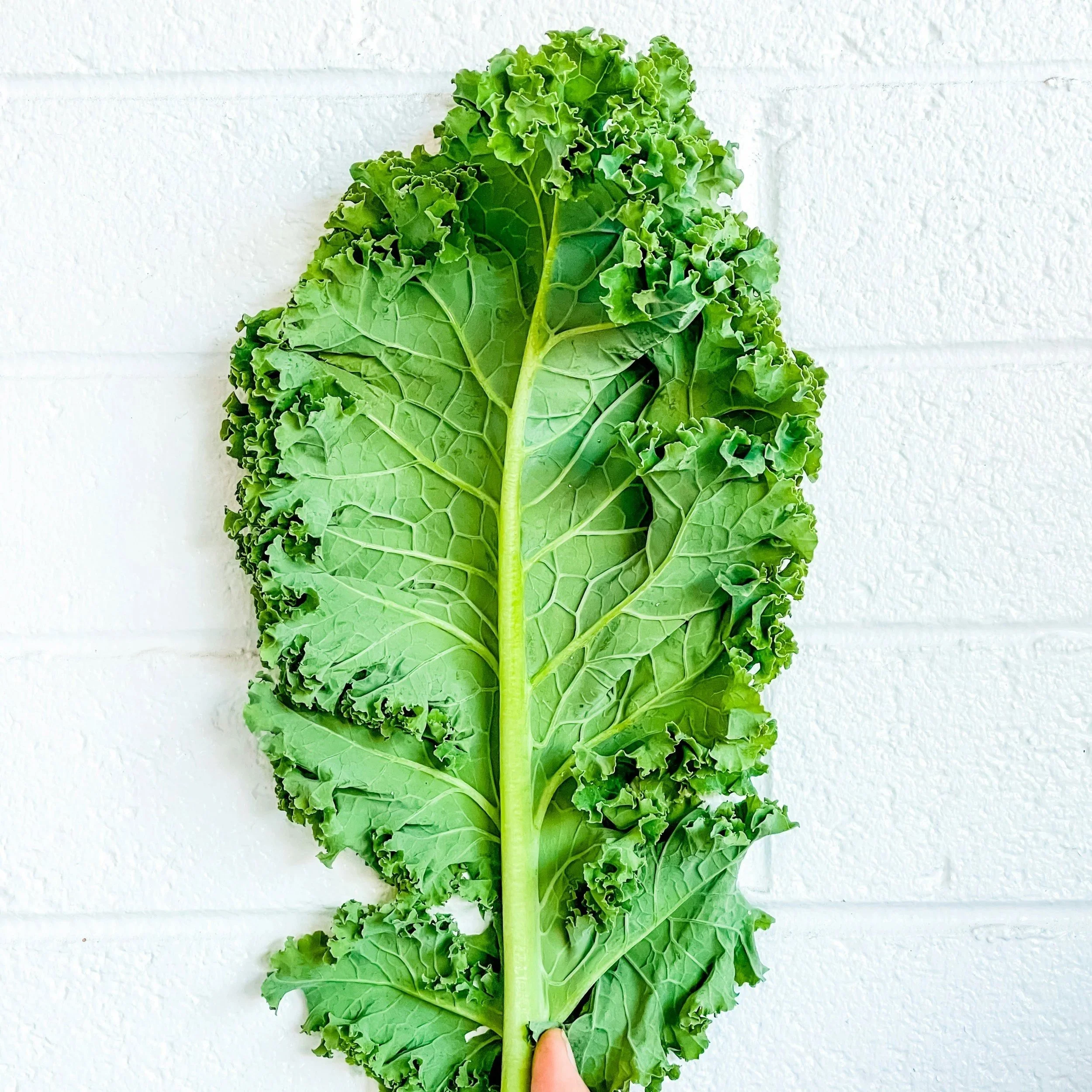
Kale is one of the most productive leafy greens you can grow hydroponically. Its ability to produce continuous harvests over several months makes it an excellent choice for year-round indoor gardening. Hydroponic kale often grows faster than soil-grown kale and produces clean, tender leaves that are easy to harvest as needed. It is a dependable crop for both beginner and experienced hydroponic gardeners, assuming you like kale that is.
⚙️ Best systems
Click & Grow 25
Rise Garden (Base level)
🟢 Beginner
💡 Light requirements
Kale grows best with 12–16 hours of light per day.
While it doesn't require the intense lighting needed for fruiting crops like tomatoes and peppers, stronger light encourages compact growth, thicker leaves, and deeper coloration in purple varieties.
🧪 Nutrient needs
Kale is a moderate feeder and benefits from a balanced nutrient solution with adequate nitrogen to support leafy growth.
Unlike heavy-feeding fruiting crops, kale is relatively forgiving and can still perform well when nutrient levels fluctuate slightly.
⚖️ Ideal pH range
5.8–6.5
🌿 Growth timeline
Germination: 4–10 days
Baby leaf harvest: 3–4 weeks
Mature leaf harvest: 5–7 weeks
Continuous production: Several months
With proper care, a single kale plant can remain productive for an extended period.
✂️ Harvest method
Harvest the oldest outer leaves first while allowing the central growing tip to continue producing new growth.
This "cut-and-come-again" approach can provide a continuous harvest for months.
⚠️ Common problems
Slow growth due to insufficient light
Pale leaves caused by nutrient deficiencies
Crowded plants reducing airflow
Tough leaves if plants become overmature before harvesting
💡 Pro tip: Frequent harvesting improves leaf tenderness.
🌿 Basil
🌱 Why grow basil hydroponically?
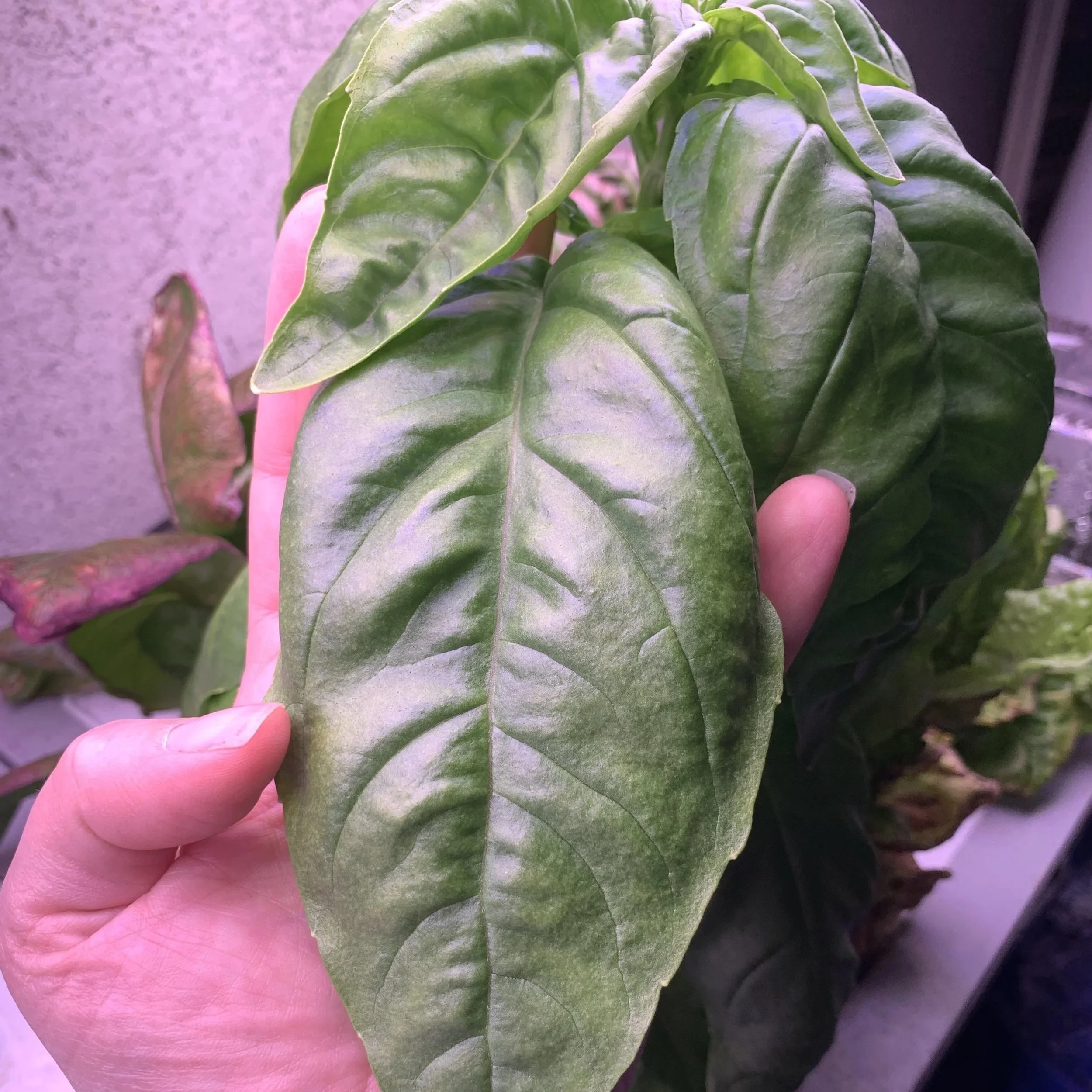
Basil is one of the best herbs for hydroponic growing because it grows quickly, responds well to regular harvesting, and can produce a steady supply of fresh leaves year-round. With consistent access to water, nutrients, and light, hydroponic basil often grows faster and larger than soil-grown plants.
Whether you're making pesto, adding fresh leaves to salads, or garnishing homemade dishes, a single basil plant can provide weeks or even months of harvests when properly maintained. It also super easy to propogate, you just need to take a cutting (this also promotes bushiness of the plant. Then just put the cutting into water and watch roots appear seemingly overnight. You can then transplant into your outdoor garden.
⚙️ Best systems
AeroGarden Bounty
Rise Garden (Base Level)
🟢 Beginner
💡 Light requirements
Basil thrives with 12–16 hours of bright light per day.
Strong light encourages compact growth, larger leaves, and better flavor. Plants grown under insufficient light often become tall, leggy, and produce fewer leaves.
🧪 Nutrient needs
Basil is a moderate feeder and performs best with a balanced nutrient solution designed for leafy growth.
Consistent nutrient levels are more important than high nutrient concentrations. Sudden fluctuations can slow growth and reduce leaf quality.
⚖️ Ideal pH range
5.5–6.5
🌿 Growth timeline
Germination: 5–10 days
First harvest: 3–4 weeks
Mature plant: 5–6 weeks
Continuous production: Several months
Basil is one of the fastest-growing herbs in hydroponics and quickly rewards growers with harvestable leaves.
✂️ Harvest method
Harvest basil by cutting stems just above a leaf node rather than picking individual leaves.
This encourages the plant to branch, creating a fuller, bushier plant and significantly increasing overall production.
Regular harvesting also helps delay flowering, which can affect leaf flavor.
⚠️ Common problems
Leggy growth from insufficient light
Flowering (bolting) due to plant maturity or stress
Yellowing leaves from nutrient imbalances
Poor airflow leading to disease issues in dense plants
Fortunately, basil recovers quickly when problems are corrected early.
💡 Pro tip: Prune early and often for bushier plants and higher yield.
🫘 Bush Beans
🌱 Why grow bush beans hydroponically?
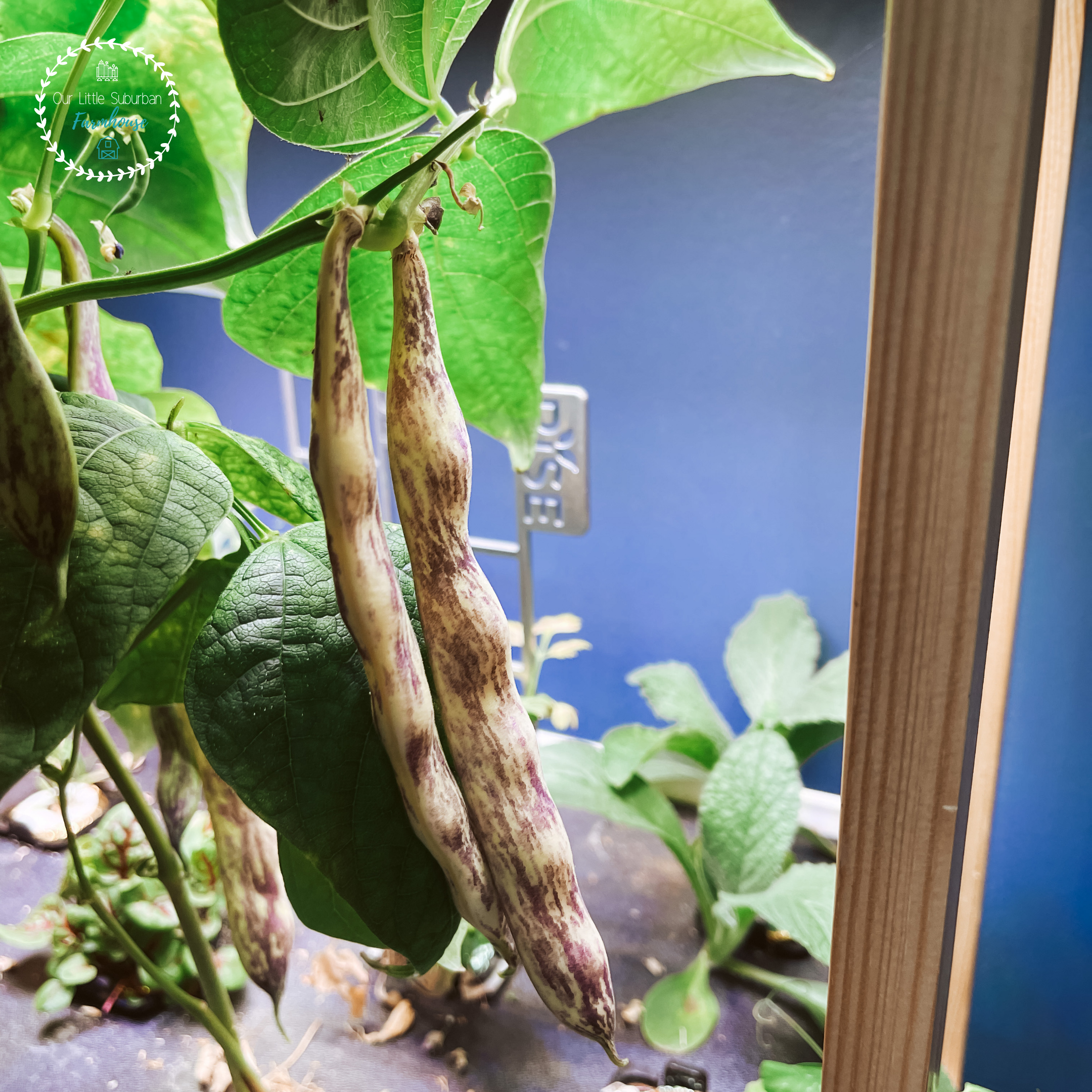
Bush beans are a productive hydroponic crop that can provide a steady harvest of tender pods in a relatively small space. Unlike pole beans, bush beans stay compact and don't require extensive trellising, making them a great choice for indoor gardeners. Hydroponic systems provide the consistent moisture and nutrients beans need for vigorous growth and reliable production.
Compared to soil-grown plants, hydroponic bush beans often grow faster, produce earlier harvests, and are easier to manage indoors.
⚙️ Best systems
Any system will do just fine
🟡 Intermediate
💡 Light requirements
Bush beans require 14–16 hours of bright light daily for strong growth and maximum pod production.
Insufficient light can lead to weak plants, fewer flowers, and reduced yields.
🧪 Nutrient needs
Bush beans are considered a moderate feeder. They need balanced nutrients throughout their growth cycle but generally don't require the high nutrient concentrations used for tomatoes or peppers.
Avoid excessive nitrogen, which can encourage leafy growth at the expense of bean production.
⚖️ Ideal pH range
6.0–6.5
🌿 Growth timeline
Germination: 5–10 days
First flowers: 4–6 weeks
First harvest: 6–8 weeks
Bush beans tend to produce a concentrated harvest over several weeks rather than continuously throughout the year.
✂️ Harvest method
Harvest pods when they are firm, crisp, and before the seeds inside begin to bulge significantly.
Frequent harvesting encourages the plant to continue producing additional pods.
⚠️ Common problems
Poor flowering due to insufficient light
Flower drop from temperature stress
Excess foliage caused by too much nitrogen
Reduced yields if pods are left on the plant too long
💡 Pro tip: Once flowering begins, gently shaking the plants to improve pollination and pod production.
🧅 Green Onions (Scallions)
🌱 Why grow green onions (scallions) hydroponically?
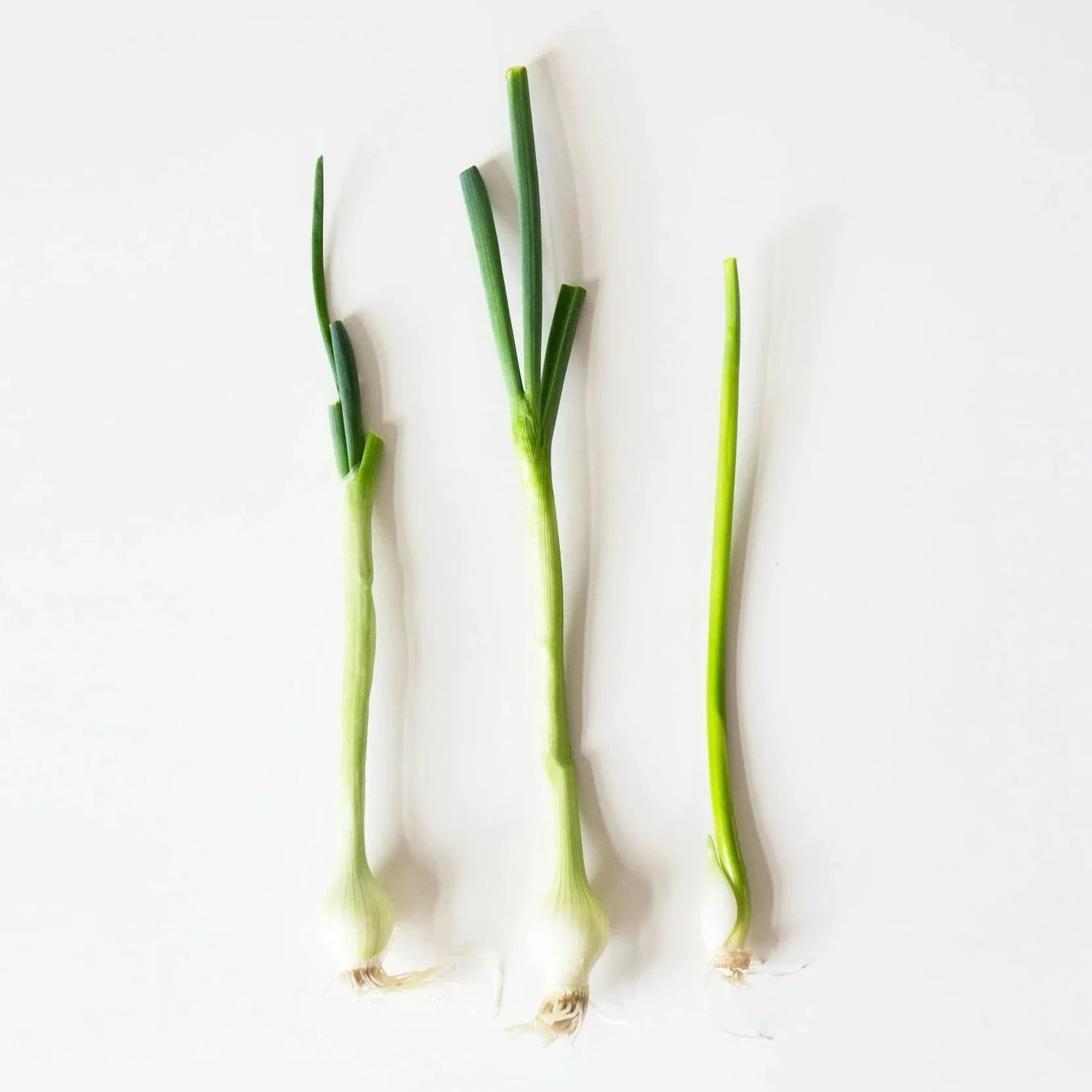
Green onions are an easy and rewarding crops to grow hydroponically. They take up very little space, grow quickly, and can be harvested repeatedly throughout the year. Whether you're adding them to salads, soups, stir-fries, or baked potatoes, having a constant supply of fresh green onions just a few steps away is incredibly convenient.
Unlike many vegetables, green onions can also be regrown from the root ends of store-bought onions, making them an excellent beginner-friendly crop for anyone new to hydroponics. Just leave 1-2 inches at the bottom and you can insert them into a cut grow pod so that the roots are securely in the pod.
⚙️ Best systems
Any system will do just fine
🟢 Beginner
💡 Light requirements
Green onions grow best with 12–16 hours of light per day.
They are more forgiving of lower light conditions than many vegetables, but brighter light encourages faster growth and thicker stalks.
🧪 Nutrient needs
Green onions are light feeders and require relatively little fertilizer compared to fruiting crops like tomatoes or peppers.
A balanced hydroponic nutrient solution designed for leafy greens is usually sufficient to support healthy growth.
⚖️ Ideal pH range
6.0–6.5
🌿 Growth timeline
Germination from seed: 7–14 days
Harvest from seed: 6–8 weeks
Regrowth from root ends: 1–3 weeks
Continuous production: Several months
Green onions are particularly satisfying because even small harvests happen quickly.
✂️ Harvest method
Use scissors to trim the green tops, leaving approximately 1–2 inches (2.5–5 cm) of growth above the crown.
The plants will continue producing new leaves, allowing for repeated harvests from the same plant.
You can also harvest entire plants if you need larger quantities.
⚠️ Common problems
Slow growth caused by insufficient light
Thin, weak leaves in crowded systems
Yellowing tips from nutrient deficiencies
Reduced regrowth when plants become overcrowded
Fortunately, green onions are generally one of the most forgiving hydroponic crops.
💡 Pro tip: Regrow easily from store-bought roots.
🌱 Bok Choy
🌱 Why grow it hydroponically?
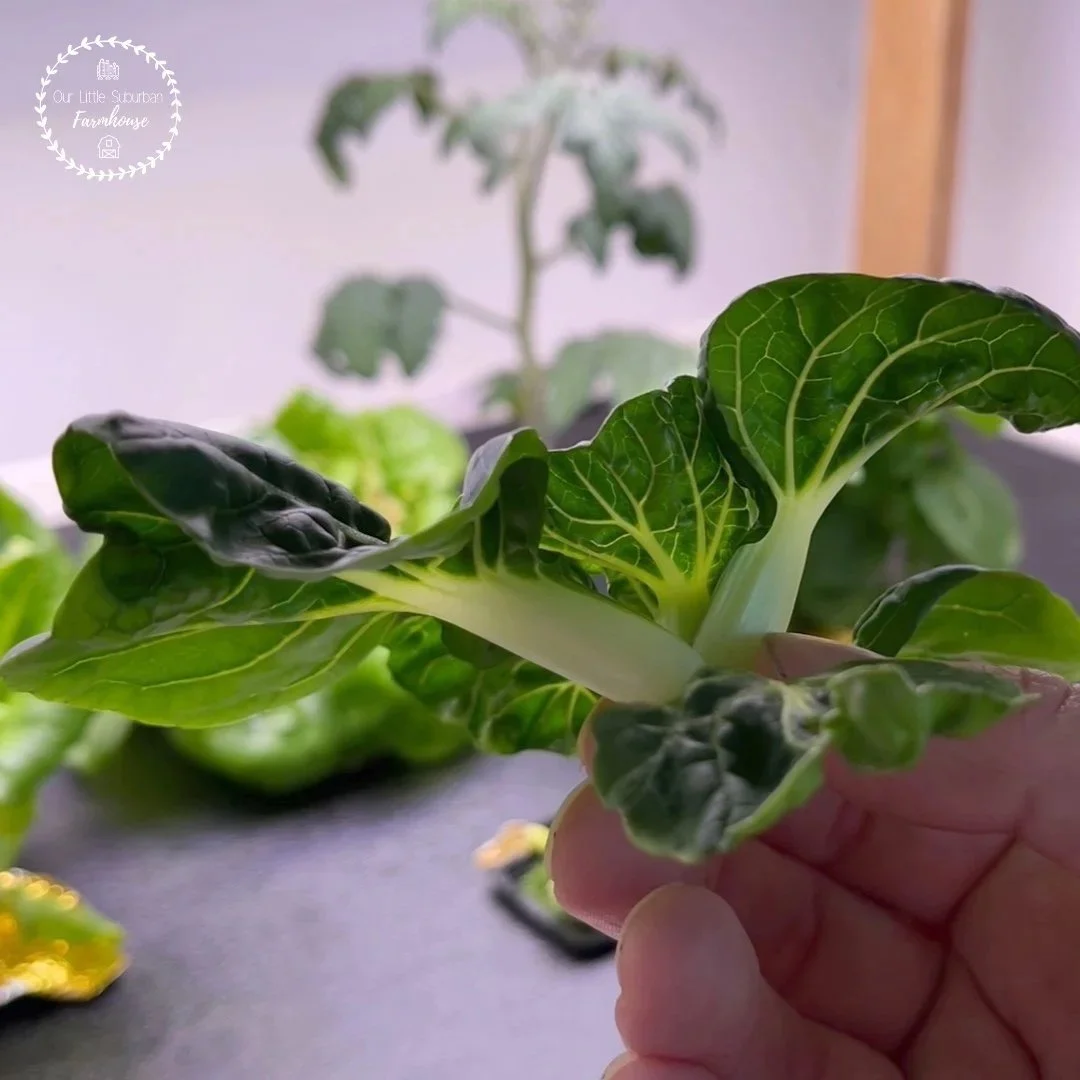
Bok choy is a fast-growing and compact Asian green produces crisp stems and tender leaves that are perfect for stir-fries, soups, salads, and side dishes. Because it matures quickly and takes up relatively little space, bok choy is an excellent choice for small indoor gardens. There are even dwarf varieties like this adorably Hedou tiny boy choy from Baker Creek Heirloom Seeds.
Hydroponic bok choy often grows faster than soil-grown plants due to its constant access to water and nutrients. It also tends to be cleaner, with fewer pest problems and more consistent growth throughout the year.
⚙️ Best systems
Any system will do just fine
🟢 Beginner
💡 Light requirements
Bok choy grows best with 12–16 hours of light per day.
It does not require the intense lighting needed for fruiting crops, making it an efficient choice for indoor gardeners. Consistent light helps produce compact plants with thick stems and healthy leaves.
🧪 Nutrient needs
Bok choy is a light to moderate feeder and grows well with a balanced nutrient solution formulated for leafy greens.
Steady nutrient levels encourage rapid growth and help prevent deficiencies that can affect leaf quality.
⚖️ Ideal pH range
6.0–7.0
🌿 Growth timeline
Germination: 3–7 days
Baby leaf harvest: 2–3 weeks
Mature harvest: 4–6 weeks
Continuous production: Several weeks if harvesting outer leaves
Bok choy is one of the quickest vegetables to go from seed to plate.
✂️ Harvest method
You can harvest bok choy in two ways:
Cut-and-come-again: Harvest the outer leaves while allowing the center to continue growing.
Whole plant harvest: Cut the plant at the base once it reaches full size.
Both methods work well, depending on how you plan to use the crop.
⚠️ Common problems
Bolting when exposed to excessive heat (Less likely when grown indoors)
Leggy growth caused by insufficient light
Crowding that reduces airflow and leaf quality
Yellowing leaves from nutrient imbalances
💡 Pro tip: Harvest young for best texture.
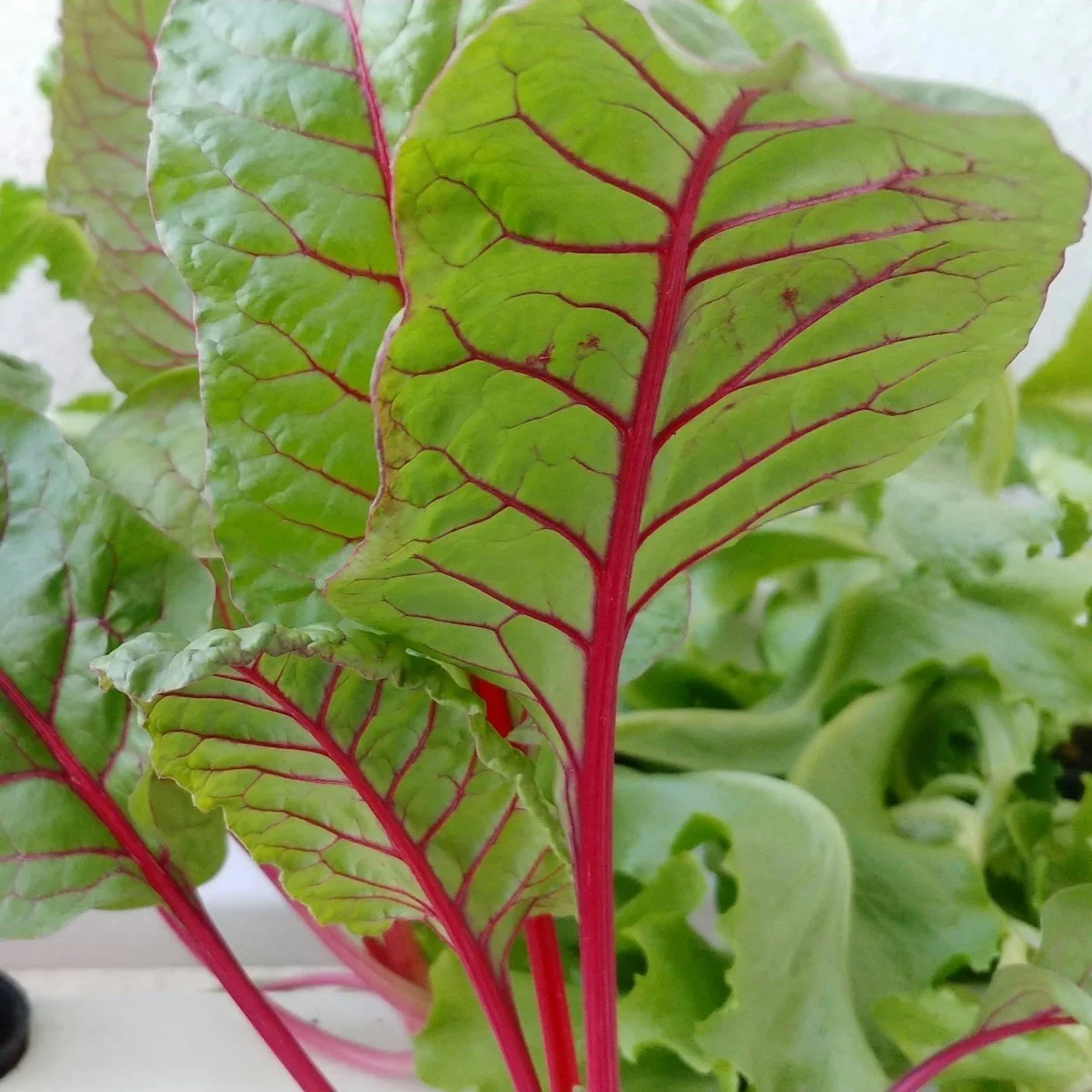
🌿 Swiss Chard
🌱 Why grow Swiss chard hydroponically?
Swiss chard is one of the most reliable long-term leafy greens for hydroponic systems. It produces vibrant, nutrient-rich leaves over an extended harvest period and continues regrowing for months when properly maintained. In hydroponics, Swiss chard often grows faster, more evenly, and with cleaner leaves compared to soil-grown plants.
It’s especially valuable for indoor gardeners who want a “set and harvest” crop that doesn’t need constant replanting. A fun fact is that if you grow a variety like Bright Lights, the roots will be either red or yellow like the veining on the leaves!
⚙️ Best systems
AeroGarden Bounty
Rise Garden (Base Level)
🟢 Beginner
💡 Light requirements
Swiss chard grows best with 12–16 hours of light per day.
Moderate to strong light encourages faster leaf production and richer color, especially in red and rainbow varieties. Insufficient light can result in slow growth and smaller leaves.
🧪 Nutrient needs
Swiss chard is a moderate feeder and responds well to a balanced nutrient solution designed for leafy greens.
It benefits from steady nitrogen for leaf production, along with adequate calcium and magnesium to support long-term growth.
⚖️ Ideal pH range
6.0–6.5
🌿 Growth timeline
Germination: 5–10 days
Baby leaf harvest: 3–4 weeks
Mature harvest: 5–7 weeks
Continuous production: Several months (or longer)
Swiss chard is a long-lasting crop that can stay productive far longer than many leafy greens.
✂️ Harvest method
Swiss chard is best harvested using a cut-and-come-again approach.
Harvest the outer, older leaves first while leaving the central growth point intact. This allows the plant to continuously produce new leaves over time.
⚠️ Common problems
Slow growth in low light conditions
Leaf burn or spotting from nutrient imbalance
Crowding in small systems due to large mature size
Reduced vigor if older leaves are not regularly harvested
Swiss chard is generally hardy but benefits from consistent maintenance.
💡 Pro tip: One plant can produce for months if maintained properly.
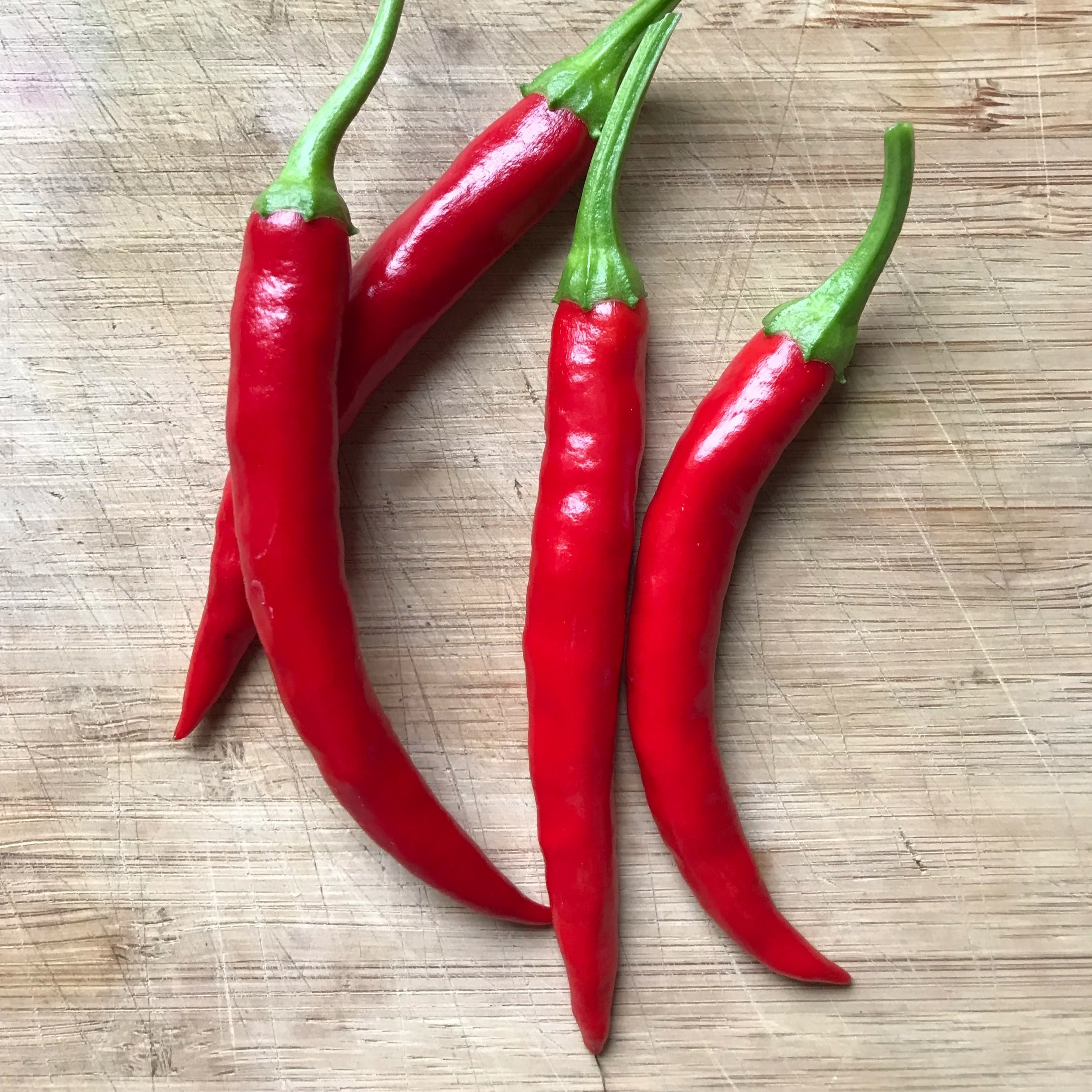
🌶️ Peppers
🌱 Why grow peppers hydroponically?
Peppers are one of the most rewarding fruiting crops to grow hydroponically because they produce high yields over a long period once established. In a hydroponic system, peppers benefit from a constant supply of water and nutrients, which supports strong flowering, fruit development, and overall plant health.
Compared to soil growing, hydroponic peppers often grow more predictably, experience fewer pest issues, and can produce fruit year-round indoors with the right lighting and care. I have kept jalapeño plants going for over a year, ensuring I have lots of jalapeños for taco Tuesday!
⚙️ Best systems
AeroGarden Farm XL
AeroGarden Bounty
Rise Garden (Base Level)
🔴 Advanced
💡 Light requirements
Peppers require 14–18 hours of strong light per day.
High light intensity is critical for flowering and fruit production. Insufficient light often leads to weak plants, poor flowering, and reduced yields.
🧪 Nutrient needs
Peppers are a heavy feeder, especially during flowering and fruiting stages.
They require:
Higher potassium for fruit development
Adequate calcium to prevent blossom end rot
Consistent nutrient levels to avoid stress
Stable feeding is more important than high concentrations.
⚖️ Ideal pH range
5.8–6.8
🌿 Growth timeline
Germination: 7–14 days
Vegetative growth: 4–6 weeks
Flowering begins: 6–10 weeks
First harvest: 10–14+ weeks
Continuous production: Several months (or even years, they are perennial when grown in the right conditions)
Peppers are a long-cycle crop but can produce heavily once established.
✂️ Harvest method
Harvest peppers individually once they reach full size and desired color.
Frequent harvesting encourages continued flowering and fruit production. You can pick peppers green for faster production or allow them to ripen fully for sweeter flavor.
⚠️ Common problems
Blossom end rot caused by calcium imbalance
Flower drop due to heat or stress
Poor fruit set from lack of pollination indoors
Leggy growth from insufficient light
Most issues are related to environmental consistency rather than plant weakness.
💡 Pro tip: Gently shake plants to improve pollination indoors.
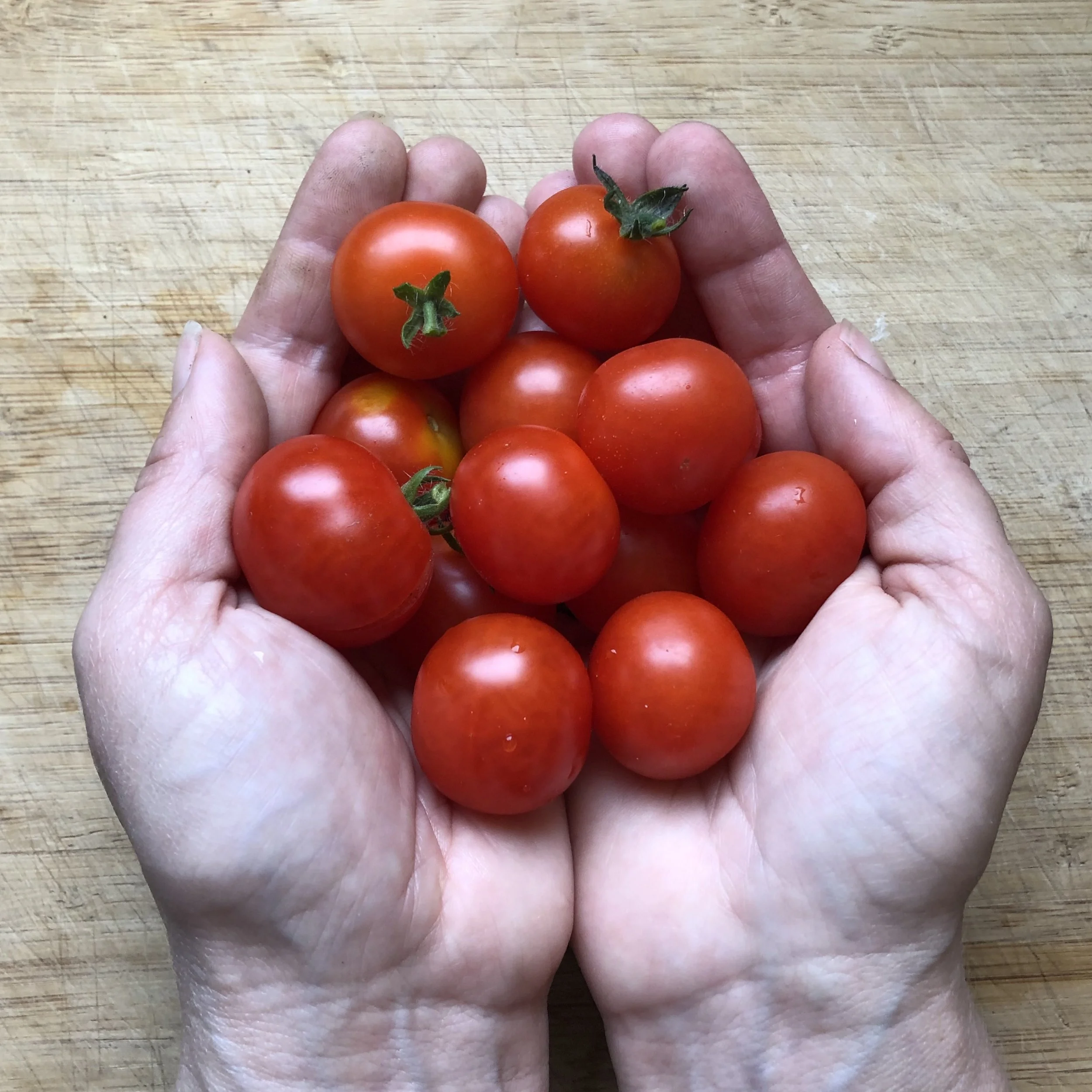
🍅 Tomatoes
🌱 Why grow tomatoes hydroponically?
Tomatoes are one of the most popular and high-yielding hydroponic crops because they respond extremely well to consistent water and nutrient delivery. In hydroponic systems, tomatoes grow faster, produce more reliably, and are less affected by soil-borne diseases.
With the right setup, a single plant can produce an impressive continuous harvest over several months, making tomatoes one of the most rewarding crops for indoor hydroponic gardeners. I am not a fan of the red or yellow “heirloom” pods that come with many AeroGardens. I find they grow far too large and unruly for most systems. You are better served by sourcing out a true dwarf variety (check our The Dwarf Tomato Project) or even better a micro dwarf variety so that you can grow tomatoes in ANY system…even in an AeroGarden Sprout. My go to source for micro dwarfs is from my girl Ash at MoonGlow Seeds.
My suggestion is to stick with:
Micro or dwarf varieties for small systems
Determinate varieties for larger systems
⚙️ Best systems
AeroGarden Farm XL
AeroGarden Bounty
Rise Garden (Base Level)
OR
Any system IF you use micro tomatoes
🔴 Advanced
💡 Light requirements
Tomatoes require 14–18 hours of high-intensity light per day.
Light is one of the most critical factors for fruit production. Insufficient lighting leads to weak flowering, poor fruit set, and leggy growth.
🧪 Nutrient needs
Tomatoes are a heavy feeder, especially during flowering and fruiting stages.
Key requirements include:
High potassium for fruit development
Consistent calcium to prevent blossom end rot
Balanced nitrogen during vegetative growth
Maintaining stable nutrient levels is essential for consistent yields. If the flavour seem off then you can add calcium/magnesium (Cal-Mag).
⚖️ Ideal pH range
5.8–6.8
🌿 Growth timeline
Germination: 5–10 days
Vegetative growth: 4–6 weeks
Flowering begins: 6–10 weeks
First harvest: 10–16+ weeks
Continuous production: Several months
Tomatoes are a long-term crop but can remain highly productive once established.
✂️ Harvest method
Harvest tomatoes individually as they ripen, and you should be prepared that it takes MUCH longer for tomatoes grown hydroponically to ripen. But I promise they will, you just have to be incredibly patient as you stare at green fruit that seems to want to stay green.
Removing ripe fruit regularly encourages the plant to continue producing new flowers and fruit. Pruning lower leaves and suckers helps redirect energy into fruit development and improves airflow.
⚠️ Common problems
Blossom end rot from calcium imbalance or inconsistent watering
Poor fruit set due to lack of pollination indoors
Leggy growth from insufficient light
Yellowing leaves from nutrient fluctuations
Most issues are preventable with stable environmental conditions.
💡 Pro tip: Prune suckers to improve airflow and increase fruit size.
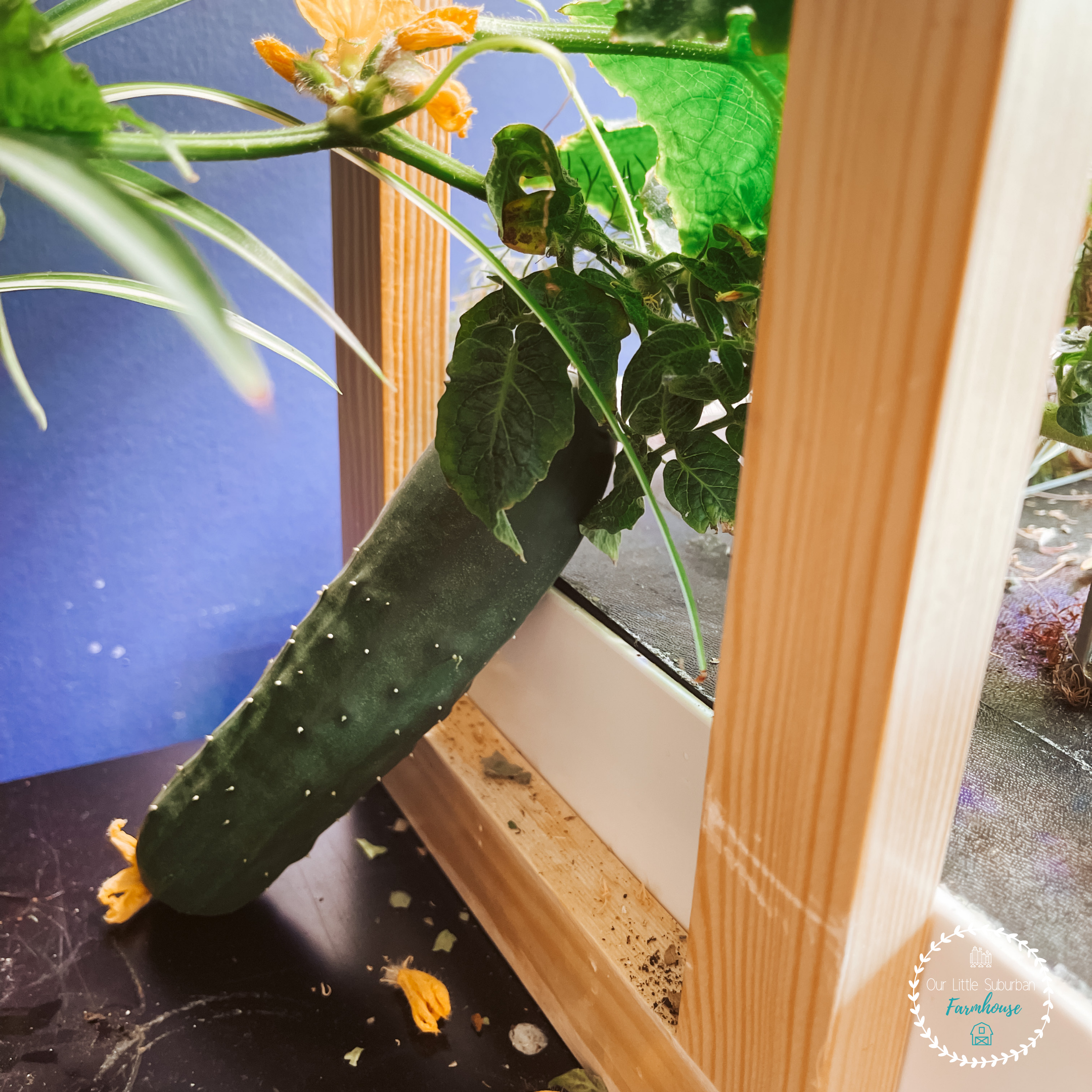
🥒 Cucumbers
🌱 Why grow cucumbers hydroponically?
Cucumbers are a fast-growing, high-yield crop that performs very well in hydroponic systems when given enough space and support. In a controlled hydroponic environment, cucumbers grow rapidly, produce abundant fruit, and benefit from consistent access to water and nutrients.
Compared to soil growing, hydroponic cucumbers are often more productive and less prone to soil-borne diseases, making them a strong choice for gardeners looking to maximize yield indoors or in small spaces.
⚙️ Best systems
AeroGarden Farm XL
AeroGarden Bounty
Rise Garden (Base Level)
🔴 Advanced
💡 Light requirements
Cucumbers require 14–18 hours of strong light per day.
High light levels are essential for flowering and fruit production. Without sufficient light, plants may grow vines but produce few cucumbers.
🧪 Nutrient needs
Cucumbers are a heavy feeder, especially during active growth and fruiting.
They require:
Consistent potassium for fruit development
Balanced nitrogen for vine growth
Stable calcium levels to support plant structure
Maintaining steady nutrient levels is more important than high concentrations.
⚖️ Ideal pH range
5.8–6.8
🌿 Growth timeline
Germination: 3–7 days
Vegetative growth: 3–5 weeks
Flowering begins: 5–7 weeks
First harvest: 6–10 weeks
Continuous production: Several weeks to months
Cucumbers grow quickly once established and can produce heavily over a short period.
✂️ Harvest method
Harvest cucumbers frequently once they reach desired size.
Regular picking encourages the plant to continue producing new fruit. Leaving overripe cucumbers on the vine can slow down production and reduce overall yield.
⚠️ Common problems
Overgrowth and tangled vines in small systems
Poor fruit set due to lack of pollination indoors
Bitter fruit caused by stress or inconsistent watering
Nutrient imbalances affecting fruit shape and quality
Most issues are related to space management and environmental stability.
💡 Pro tip: Make sure to use a parthenocarpic variety to ensure fruit production and install trellis supports and install them early.
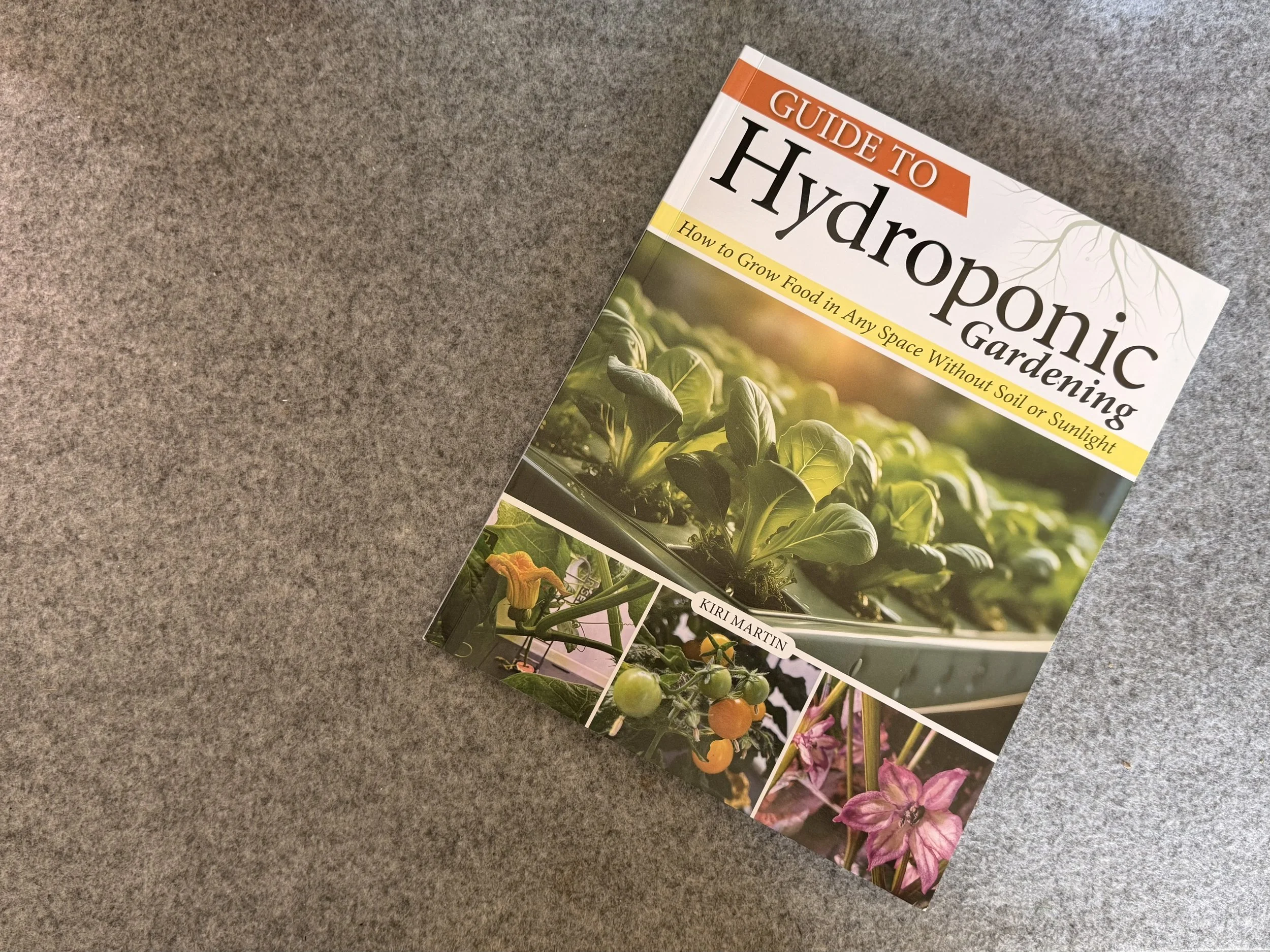
Check out my book!
👉 🇨🇦 [Buy on Amazon.ca]
👉 🇨🇦 [Buy on Indigo]
👉 🇺🇸 [Buy on Amazon.com]
👉 🇬🇧 [Buy at Hatchards]
👉 🇦🇺 [Buy at Booktopia]
🍓 Strawberries
🌱 Why grow strawberries hydroponically?
Strawberries are a rewarding, though sometimes frustrating fruiting crops for hydroponic systems because they produce sweet, continuous harvests in a compact space but can be prone to pest issues. In hydroponics, strawberries benefit from consistent access to water and nutrients, which supports steady flowering and fruit development throughout their growing cycle.
Compared to soil growing, hydroponic strawberries are often cleaner, less prone to pests and rot, and can be grown vertically—making them ideal for small indoor spaces and year-round production.
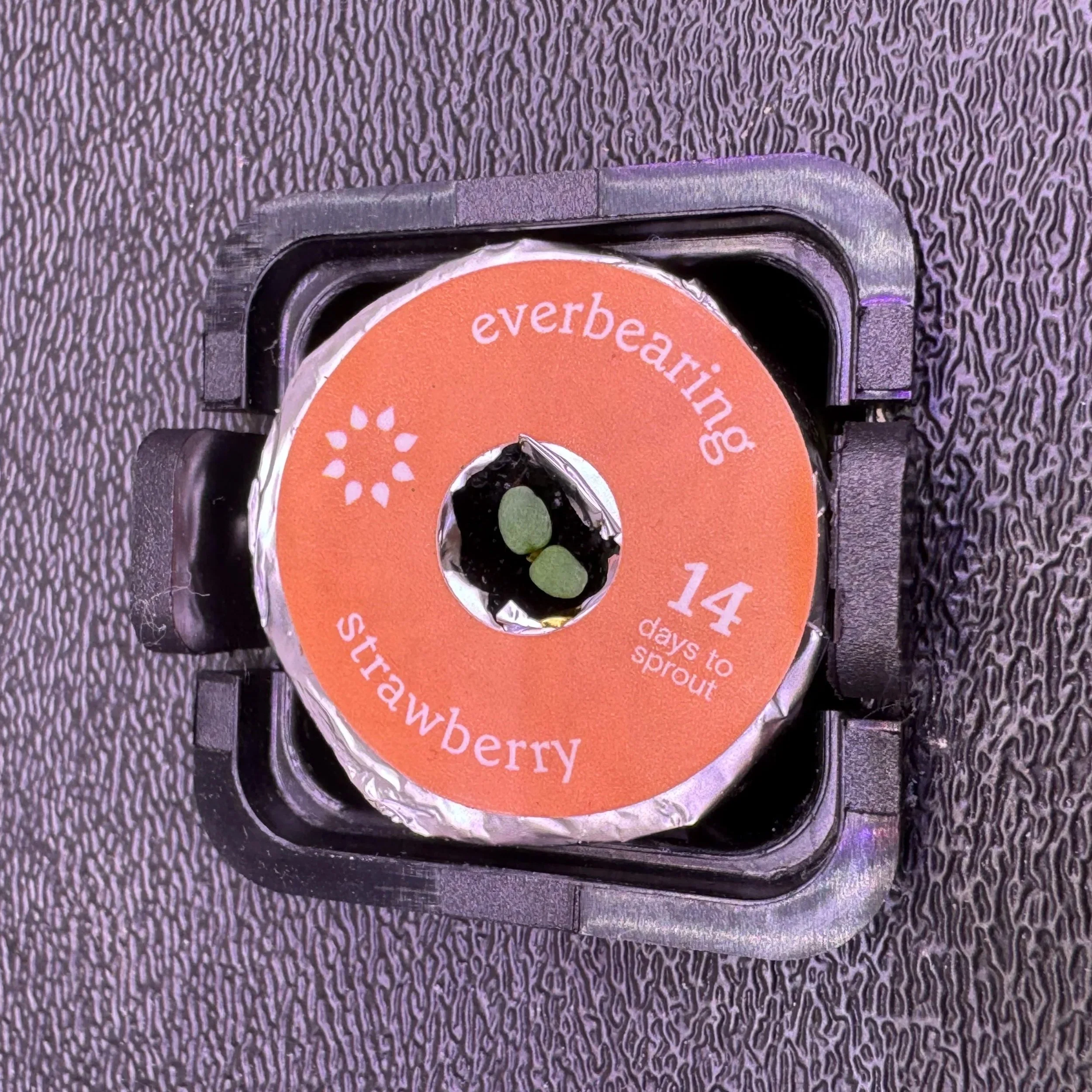
I love to grow alpine strawberries due to their lack of runners. The berries are MUCH smaller than regular strawberries but what they lack in size they more than make up in flavour! If you do grow everbearing varieties you will need to keep the runners under control OR you can have little pots with some soil on the grow deck to anchor the runners into. Then you can move them to your outdoor garden, making it a win-win scenario.
⚙️ Best systems
Any system will do just fine
🔴 Advanced
💡 Light requirements
Strawberries require 14–16 hours of strong light per day.
Adequate light is essential for flowering and fruit production. Insufficient light often results in fewer flowers and smaller, less flavorful berries.
🧪 Nutrient needs
Strawberries are a moderate feeder and prefer a balanced nutrient solution designed for fruiting plants.
They require:
Consistent potassium for fruit development
Moderate nitrogen to avoid excessive leafy growth
Stable calcium levels to support fruit quality
Avoid overfeeding, as this can reduce flowering and fruit production.
⚖️ Ideal pH range
5.5–6.5
🌿 Growth timeline
Germination: 7–14 days
Vegetative growth: 4–6 weeks
Flowering begins: 6–8 weeks
First harvest: 8–12 weeks
Continuous production: Several months with proper care
Day-neutral varieties can produce fruit continuously under stable indoor conditions.
✂️ Harvest method
Harvest strawberries when they are fully red and ripe.
Pick fruit regularly to encourage the plant to continue flowering. Removing runners (in non-propagation systems) helps redirect energy into fruit production.
⚠️ Common problems
Poor pollination leading to misshapen fruit
Low fruit yield from insufficient light
Root rot in poorly aerated systems
Excess runners reducing fruit production
Spider mites
Strawberries are sensitive to environmental consistency, especially during flowering.
💡 Pro tip: Hand pollination significantly improves yield.
🍆 Eggplant
🌱 Why grow eggplant hydroponically?
Eggplant is a productive fruiting crop that can perform very well in hydroponic systems when given enough space, light, and consistent nutrients. In a controlled hydroponic environment, eggplant benefits from steady water and nutrient availability, which supports strong vegetative growth and reliable fruit production.
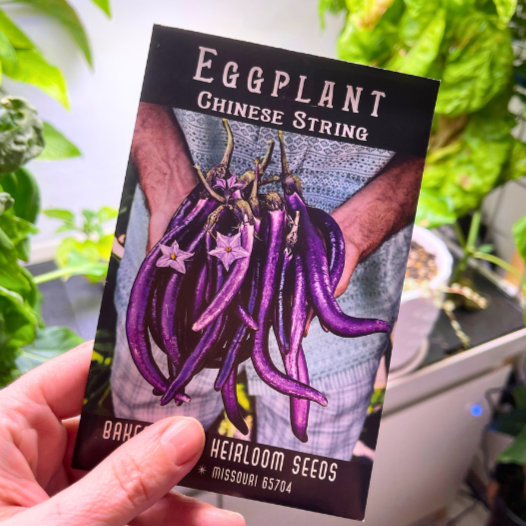
Compared to soil growing, hydroponic eggplant is often more predictable and less affected by pests and soil-borne diseases, making it a solid option for experienced indoor gardeners looking to expand into larger fruiting crops. I’m not going to lie, all those itty bitty little seeds creep me out for some reason. So I stick to the Chinese String eggplants and I really like them.
⚙️ Best systems
AeroGarden Farm XL
AeroGarden Bounty
Rise Garden (Base Level)
🔴 Advanced
💡 Light requirements
Eggplant requires 14–18 hours of strong light per day.
High light intensity is essential for flowering and fruit development. Insufficient light often leads to weak growth and reduced fruit production.
🧪 Nutrient needs
Eggplant is a heavy feeder, especially during flowering and fruiting stages.
It requires:
Consistent potassium for fruit development
Adequate calcium to support plant structure and prevent deficiencies
Balanced nitrogen during early vegetative growth
Stable nutrient conditions are critical for consistent yields.
⚖️ Ideal pH range
5.8–6.8
🌿 Growth timeline
Germination: 7–14 days
Vegetative growth: 4–6 weeks
Flowering begins: 6–10 weeks
First harvest: 10–14+ weeks
Continuous production: Several months
Eggplant is a long-cycle crop but can remain productive for an extended period once established.
✂️ Harvest method
Harvest eggplant when fruits are glossy, firm, and reach desired size.
Use pruning shears or a sharp knife to cut fruit from the stem. Regular harvesting encourages continued flowering and fruit production.
⚠️ Common problems
Flower drop due to temperature stress or poor pollination
Nutrient deficiencies affecting fruit size and quality
Slow growth in low-light conditions
Overcrowding leading to poor airflow and disease risk
Most issues are related to environmental stability and plant size management.
💡 Pro tip: Remove early flowers to strengthen plant structure.
🌿 Radish
🌱 Why grow radish hydroponically?
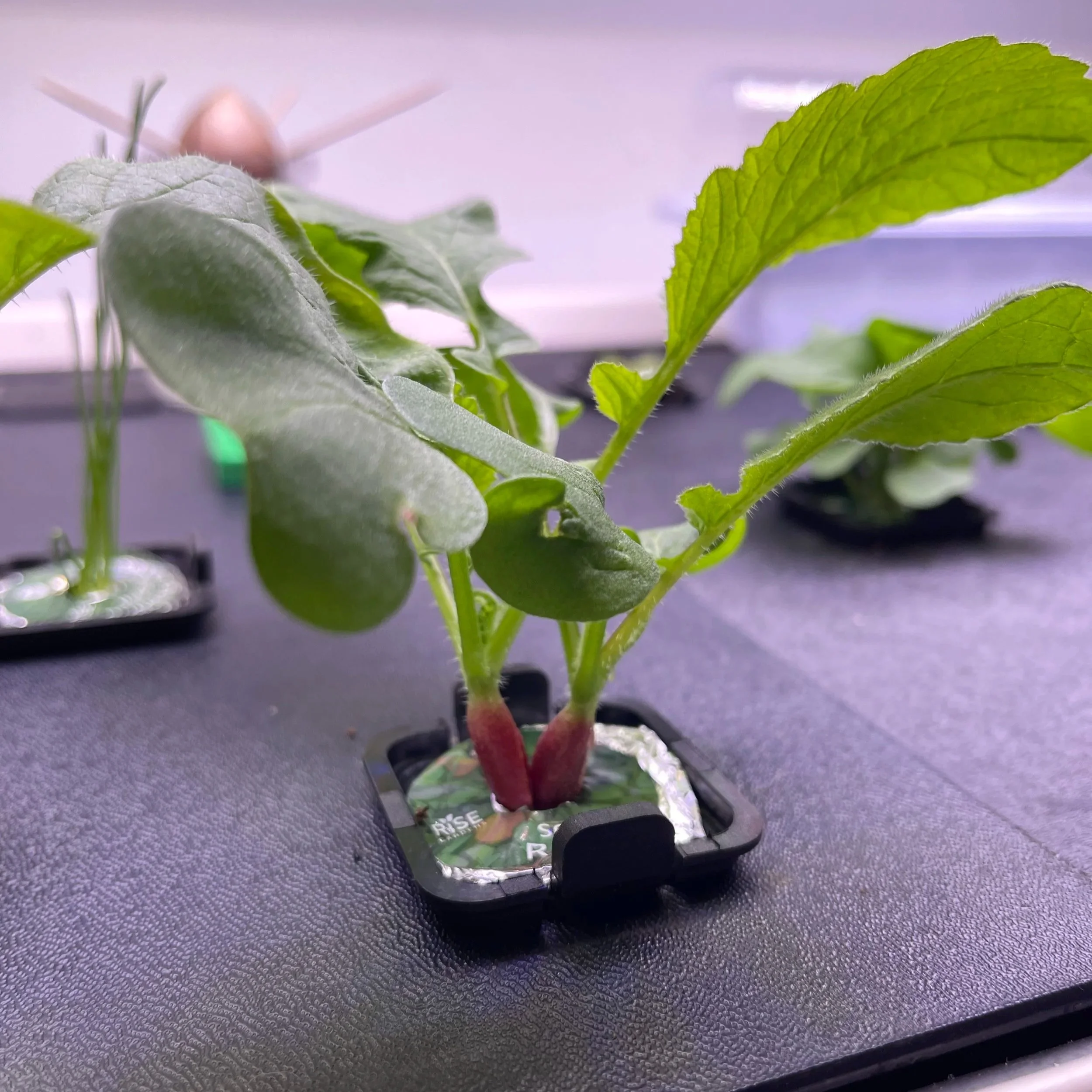
Radishes are one of the fastest growing crops you can grow hydroponically (or in soil). They mature quickly, require minimal space, and provide a crisp, peppery harvest in just a few weeks. In hydroponic systems, radishes benefit from consistent moisture and nutrient availability, which supports fast and even root development.
Compared to soil growing, hydroponic radishes often grow faster and more uniformly, with fewer issues related to pests or compacted soil. Also, if you are a beginner and looking for a “fast win” crop, you aren’t going to get anything faster than radish! They are great to give new growers a feeling of successful early. Conversely, if they don’t do well, then you can fail fast, make changes and get growing again! It’s all about what you learn on your growing journey..
⚙️ Best systems
Rise Garden (due to wider, shallower pod holes)
Click & Grow (due to wider pods)
🟢 Beginner
💡 Light requirements
Radishes grow best with 12–14 hours of light per day.
They do not require intense lighting, but consistent light helps ensure even root development and prevents slow, leggy foliage growth.
🧪 Nutrient needs
Radishes are a light feeder and prefer a balanced but not overly rich nutrient solution.
Excess nitrogen can cause lush leaf growth at the expense of root development, so moderate feeding is ideal.
⚖️ Ideal pH range
6.0–7.0
🌿 Growth timeline
Germination: 3–7 days
Harvest: 3–5 weeks
Continuous production: Staggered sowing allows ongoing harvests
Radishes are one of the quickest crops from seed to harvest in hydroponics.
✂️ Harvest method
Harvest the entire plant once the root reaches desired size and firmness.
Radishes do not regrow after harvest, so successive planting is recommended for a continuous supply.
⚠️ Common problems
Small or woody roots from inconsistent growing conditions
Excess leafy growth due to high nitrogen levels
Cracked or split roots from irregular nutrient or water availability
Poor root formation in overly deep or poorly oxygenated systems
Most issues are related to nutrient balance rather than plant difficulty.
Pro tip: Sow 4–6 radish seeds per pod to boost yield.
Beets
🌱 Why grow beets hydroponically?
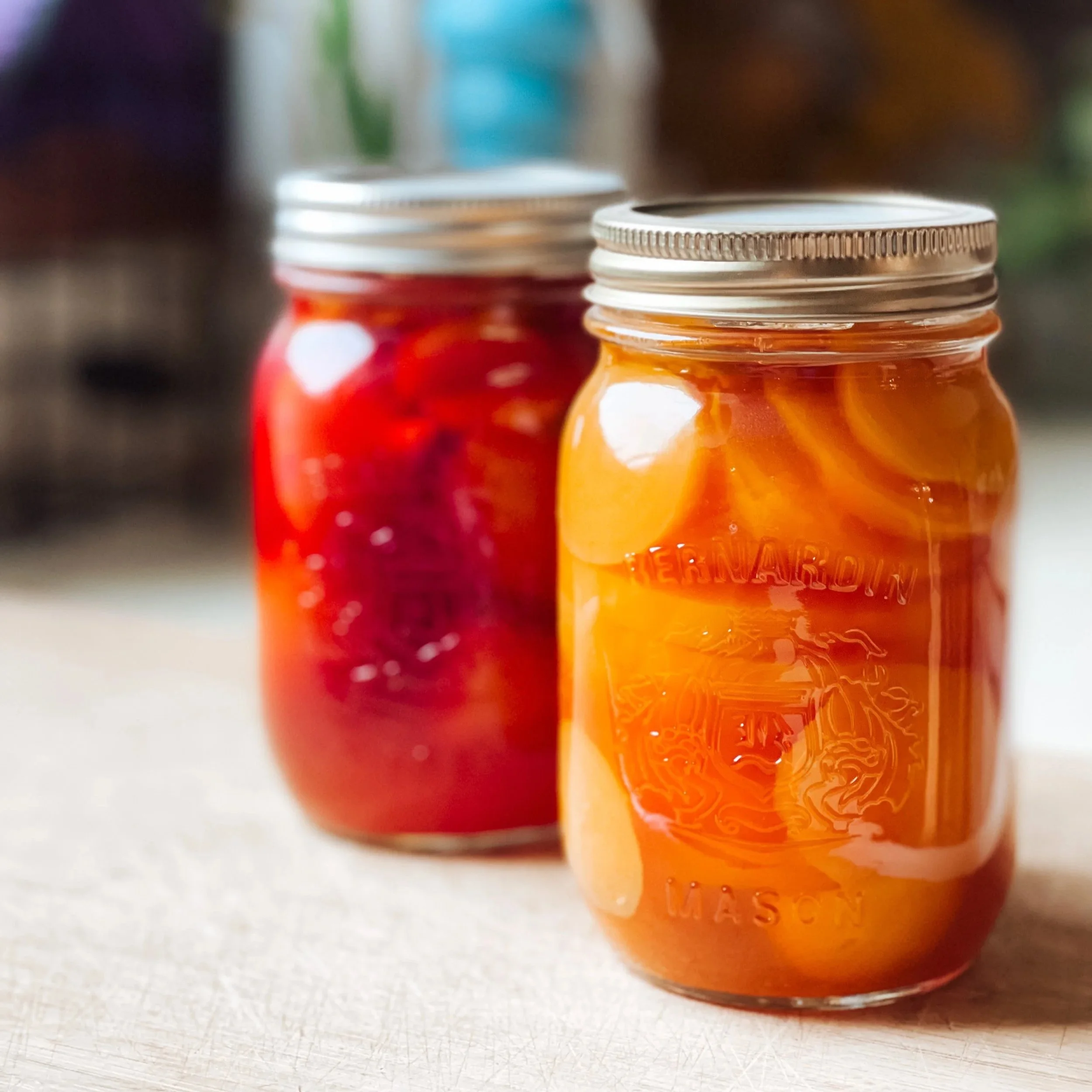
Beets can be grown hydroponically for both their roots and their leafy greens, making them a dual-purpose crop. While they are slower and more challenging than leafy greens, they can still produce steady growth in a controlled hydroponic system with consistent nutrients and enough root space.
In hydroponics, beets are often grown more successfully for their tender, nutritious greens than for large root development, though full roots are still possible with the right setup. If you don’t like the earthy flavour of beets but want to try them because you KNOW they are good for you. Then check out the Badger Flame beets from Row7Seeds, they were bred (NOT GMO) to have less earthiness.
⚙️ Best systems
Rise Garden (due to wider, shallower pod holes)
Click & Grow (due to wider pods)
🟡 Intermediate
💡 Light requirements
Beets grow best with 12–14 hours of light per day.
Moderate light supports both leafy growth and root development, while overly intense light can stress young plants in small systems.
🧪 Nutrient needs
Beets are a moderate feeder and require a balanced nutrient solution.
They benefit from:
Steady nitrogen for leafy growth
Adequate potassium for root development
Consistent calcium and micronutrients for overall health
Avoid overly strong nutrient solutions, especially early in growth, as this can limit root formation.
⚖️ Ideal pH range
6.0–7.0
🌿 Growth timeline
Germination: 5–10 days
Leaf harvest: 3–4 weeks (greens only)
Root harvest: 6–10+ weeks
Continuous production: Limited; best grown in cycles
Beets are slower than most hydroponic crops, especially when grown for full root development.
✂️ Harvest method
Beets can be harvested in two ways:
For greens: Harvest outer leaves continuously while allowing the plant to regrow
For roots: Harvest the entire plant once the beet reaches desired size
Once the root is harvested, the plant does not regrow.
⚠️ Common problems
Small root size due to limited space or shallow systems
Excess leafy growth with insufficient root development
Slow growth compared to leafy greens
Poor bulb formation in high-nitrogen conditions
Beets require more patience and system optimization than most leafy crops.
💡 Pro tip: Grow for greens rather than large beets indoors or sow 3-4 seeds per pod for a bigger harvest.
🌿 Celery
🌱 Why grow celery hydroponically?
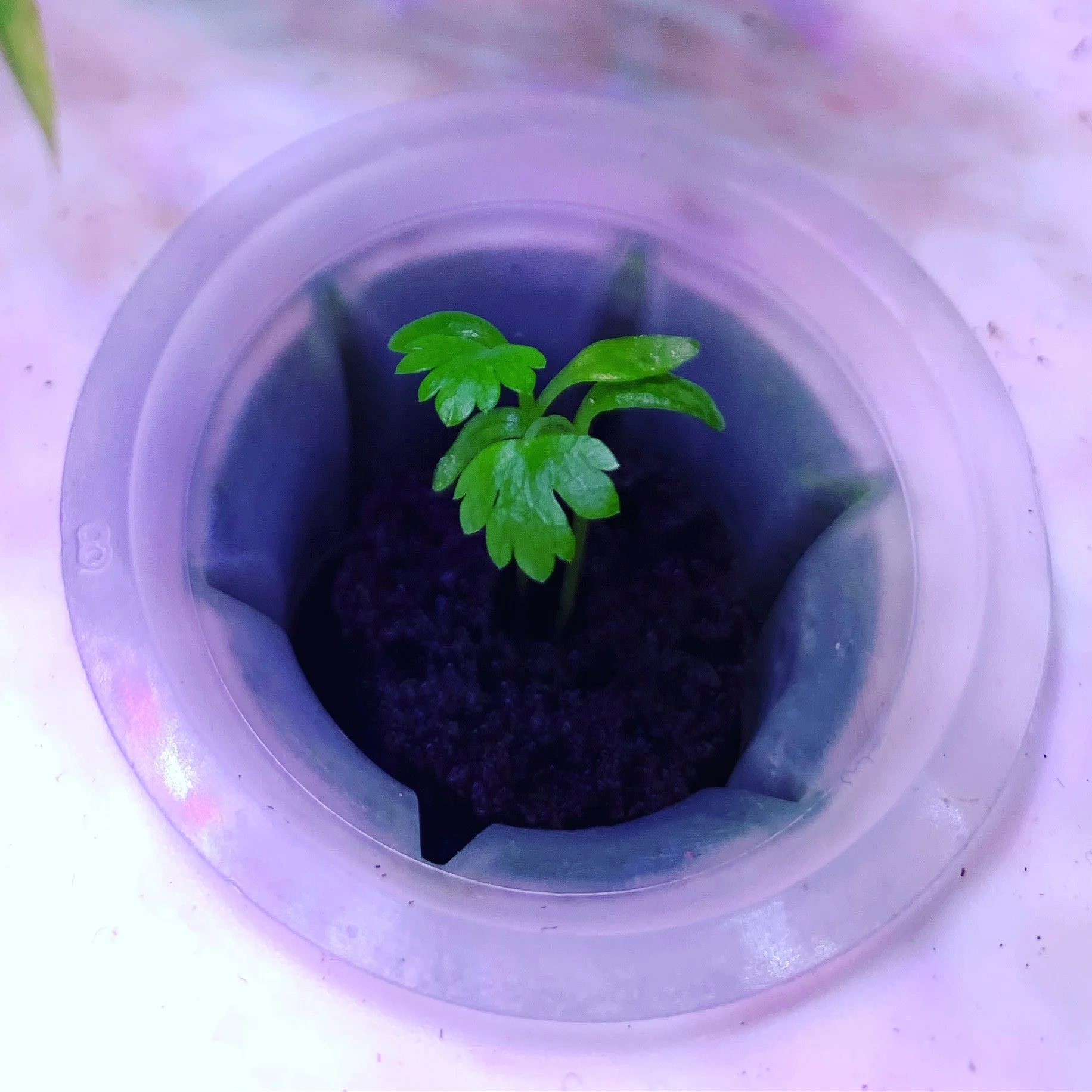
Celery is a slow-growing but highly rewarding crop in hydroponic systems. It thrives in consistent moisture conditions and benefits from the stable nutrient delivery that hydroponics provides. While celery takes longer to mature than most leafy greens, it produces crisp, flavorful stalks that are often more tender when grown hydroponically compared to soil.
Hydroponic celery is especially useful for gardeners who want a steady, long-term crop rather than fast turnover greens. Considering that celery is about 95% water it is well suited to be grown hydroponically.
⚙️ Best systems
AeroGarden Bounty
Rise Garden (Base Level)
🟡 Intermediate
💡 Light requirements
Celery grows best with 12–16 hours of light per day.
Moderate light is sufficient, but consistent lighting helps prevent weak, stringy stalks and supports steady growth over its long cycle.
🧪 Nutrient needs
Celery is a moderate feeder and benefits from a balanced nutrient solution.
It requires:
Consistent nitrogen for stalk and leaf growth
Calcium for structural strength
Steady moisture and nutrients to prevent stress
Fluctuations in nutrients or water levels can significantly slow growth.
⚖️ Ideal pH range
6.0–6.5
🌿 Growth timeline
Germination: 10–21 days
Seedling stage: 3–5 weeks
Harvest (baby stalks): 6–8 weeks
Full maturity: 10–16+ weeks
Continuous production: Several weeks with outer stalk harvesting
Celery is one of the slower crops in hydroponics but offers long harvest potential.
✂️ Harvest method
Celery can be harvested in two ways:
Outer stalk harvesting: Remove outer stalks as needed while the plant continues growing
Whole plant harvest: Cut at the base once fully mature
Outer harvesting allows for extended production over time.
⚠️ Common problems
Slow or uneven germination
Stringy stalks from inconsistent light
Tip burn caused by calcium imbalance
Stunted growth in unstable nutrient conditions
Celery is sensitive to environmental fluctuations and rewards consistency.
💡 Pro tip: Patience is key—celery rewards long-term growers.
🌱 Peas
🌱 Why grow peas hydroponically?
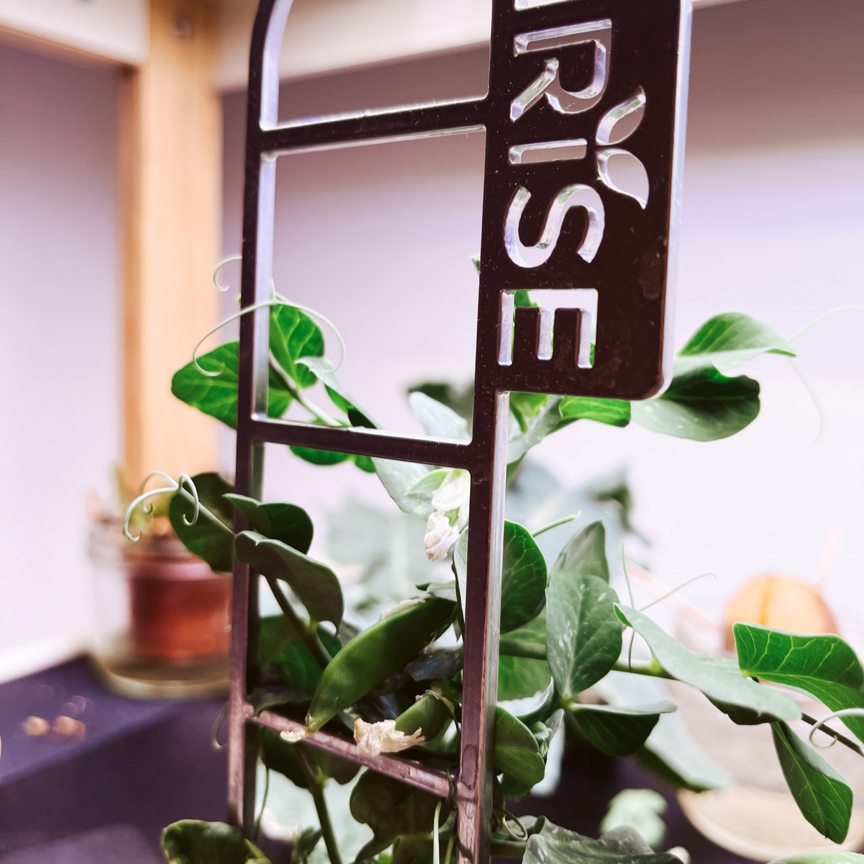
Peas are a cool-season, vining crop that performs well in hydroponic systems when given vertical support and stable growing conditions. They produce sweet, edible pods and can offer a satisfying harvest over several weeks once established.
In hydroponics, peas benefit from consistent moisture and nutrient delivery, which supports steady flowering and pod formation. They are especially rewarding for growers who want a productive crop that also adds vertical interest to an indoor garden.
I do not, I repeat I DO NOT suggest growing “normal” peas, they get out of control fast, even with trellising. I prefer to grow dwarf varieties such as Tom Thumb peas which are very compact but still give nice pods.
⚙️ Best systems
Rise Garden
AeroGarden (any for dwarf varieties)
AeroGarden Farm XL with trellis (if you want to attempt “normal” varieties)
🟡 Intermediate
💡 Light requirements
Peas grow best with 12–14 hours of light per day.
They prefer moderate light and cooler conditions. Excess heat or very intense lighting can reduce flowering and overall pod production.
🧪 Nutrient needs
Peas are a moderate feeder and generally require a balanced nutrient solution.
They benefit from:
Moderate nitrogen for early vegetative growth
Stable potassium levels for pod development
Consistent nutrients without large fluctuations
Avoid overfeeding nitrogen, which can encourage leafy growth at the expense of pods.
⚖️ Ideal pH range
6.0–7.0
🌿 Growth timeline
Germination: 7–14 days
Vegetative growth: 3–5 weeks
Flowering begins: 5–7 weeks
First harvest: 6–8 weeks
Continuous harvest: Several weeks
Peas tend to produce in a concentrated harvest window once flowering begins.
✂️ Harvest method
Harvest pods when they are plump, firm, and still tender.
Frequent picking encourages continued pod production. Leaving mature pods on the vine can slow down further yields.
⚠️ Common problems
Poor flowering in warm conditions
Weak vines without adequate support
Reduced yields from overcrowding
Short production window compared to leafy greens
Peas perform best in cooler, stable environments.
💡 Pro tip: Provide trellis support early for best production.
🌿 Mustard Greens
🌱 Why grow mustard greens hydroponically?
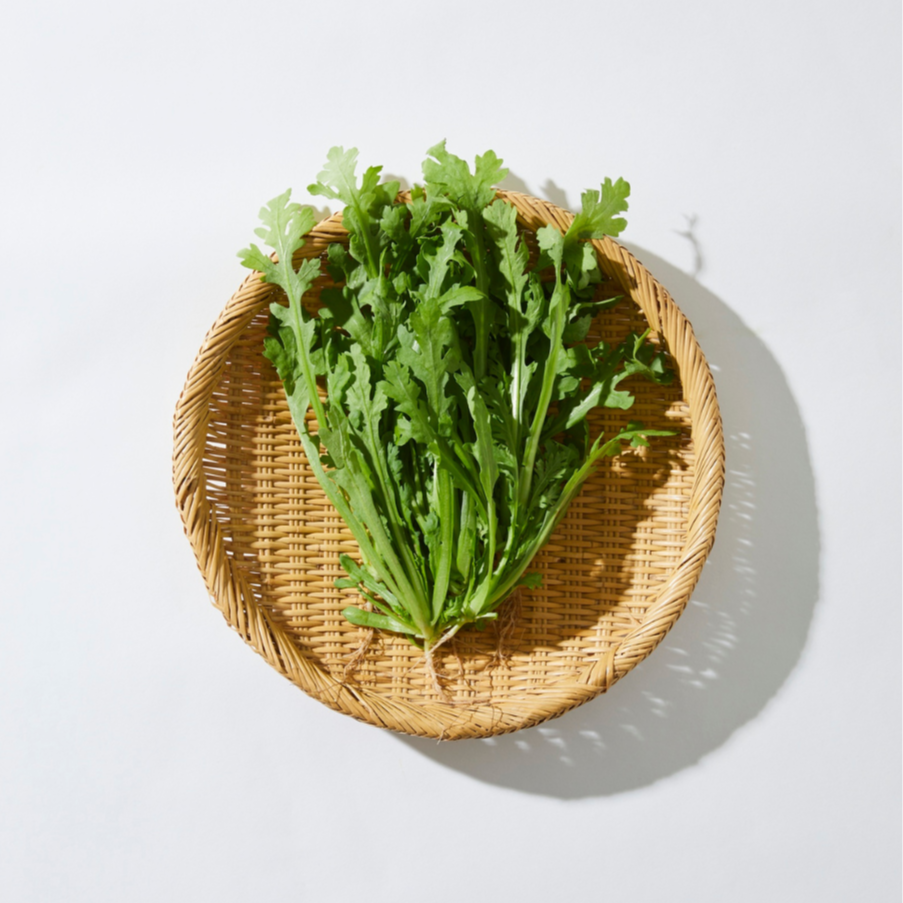
Mustard greens are a fast-growing, nutrient-dense leafy green that performs very well in hydroponic systems. They produce tender young leaves quickly and can be harvested repeatedly, making them a strong option for year-round indoor production.
In hydroponics, mustard greens tend to grow faster and more uniformly than in soil, with cleaner leaves and fewer pest issues. They’re also highly productive in small spaces, which makes them ideal for compact indoor gardens.
⚙️ Best systems
Click & Grow 25
Rise Garden (Base Level)
🟢 Beginner
💡 Light requirements
Mustard greens grow best with 12–16 hours of light per day.
Moderate light is sufficient, but stronger light produces faster growth and more vibrant leaf color. Insufficient light can lead to slower growth and weaker flavor.
🧪 Nutrient needs
Mustard greens are a light to moderate feeder and thrive in a balanced hydroponic nutrient solution.
They benefit from:
Consistent nitrogen for leafy growth
Adequate calcium for leaf structure
Stable nutrient levels to avoid stress
They are generally less demanding than fruiting crops.
⚖️ Ideal pH range
6.0–7.0
🌿 Growth timeline
Germination: 3–7 days
Baby leaf harvest: 2–3 weeks
Mature harvest: 4–6 weeks
Continuous production: Several weeks with cut-and-come-again harvesting
Mustard greens are one of the quicker leafy greens for hydroponic systems.
✂️ Harvest method
Harvest using a cut-and-come-again approach by removing outer leaves while allowing the center of the plant to continue growing.
Alternatively, harvest the full plant once it reaches maturity if you prefer larger quantities at once.
⚠️ Common problems
Bolting in warm conditions
Bitter flavor when plants are heat-stressed
Overcrowding reducing airflow and leaf quality
Uneven growth in low-light conditions
Mustard greens perform best in cool, stable environments.
💡 Pro tip: For best flavor, harvest while leaves are still young and tender. Succession planting every 1–2 weeks helps maintain a continuous supply.
Want the cheat sheet?
Final Thoughts on Growing Hydroponically Year-Round
One of the biggest advantages of hydroponic gardening is the ability to grow fresh food year-round, regardless of outdoor weather conditions (either too hot or too cold). By choosing plants that are well-suited to hydroponic systems, you can enjoy a steady supply of herbs, leafy greens, vegetables, and even fruit from the comfort of your home.
If you're new to hydroponics, start with easy crops like lettuce or basil. These plants grow quickly, require minimal maintenance, and help build confidence as you learn the basics of managing nutrients, lighting, and water quality. As your experience grows, you can expand into more demanding crops like tomatoes, peppers, cucumbers, strawberries, and eggplant.
Remember that success in hydroponics comes down to providing the right balance of light, nutrients, oxygen, and consistent care. Even small adjustments can have a significant impact on plant growth and productivity.
Start small, experiment often, and don’t be afraid to push the limits. You might be surprised at what you can grow—and what you can stop buying.