AeroGarden Tips for Beginners (Indoor Gardening Made Easy)
If you already enjoy growing food outdoors, you might be wondering whether an indoor hydroponic system like an AeroGarden is worth it—or maybe you’ve already bought one and are staring at the box thinking, “Now what?”
Either way, you’re in the right place.
Indoor hydroponic gardening is one of the easiest ways to extend your growing season, grow fresh herbs and vegetables year-round, and reduce trips to the grocery store—especially in climates with short outdoor seasons like Ontario, Canada.
Disclosure: This post contains affiliate links. If you purchase through them, I may earn a small commission at no extra cost to you.
Why Outdoor Gardeners Should Try Hydroponics
If you’re used to soil gardening, hydroponics might seem unnecessary at first. But think of it as a season extender and productivity booster for your existing garden.
With an AeroGarden, you can:
Grow food all winter long
Start seedlings early for your outdoor garden
Grow herbs and greens year-round
Reduce dependency on grocery store produce
Fresh herbs alone can easily justify the cost of a system over time.
Step 1: Decide What You Want to Grow
Before choosing a system, think about what you actually want to grow indoors.
If you’re coming from outdoor gardening, start with reliable crops like:
Lettuce and leafy greens
Herbs (basil, parsley, dill, etc.)
Peppers
Compact or dwarf tomatoes
If you want more ideas, check out my guide on what you can and can’t grow in an AeroGarden.
Step 2: Choose the Right Type of System
AeroGarden systems fall into two main categories: countertop and floor models.
Countertop Systems
Best for small spaces or supplementing an outdoor garden.
2–9 plant pods
Compact footprint (kitchen counter friendly)
Ideal for herbs and small greens
These are great if you just want fresh herbs or a small indoor garden during winter.
Floor Systems
These are designed for serious indoor growing.
12–36+ plant capacity depending on model
Much taller grow height
Ideal for tomatoes, peppers, lettuce, and mixed crops
For outdoor gardeners looking to extend their harvest, floor models are often the most useful.
Just keep in mind they take up floor space—think laundry room, basement, or spare corner rather than kitchen counter.
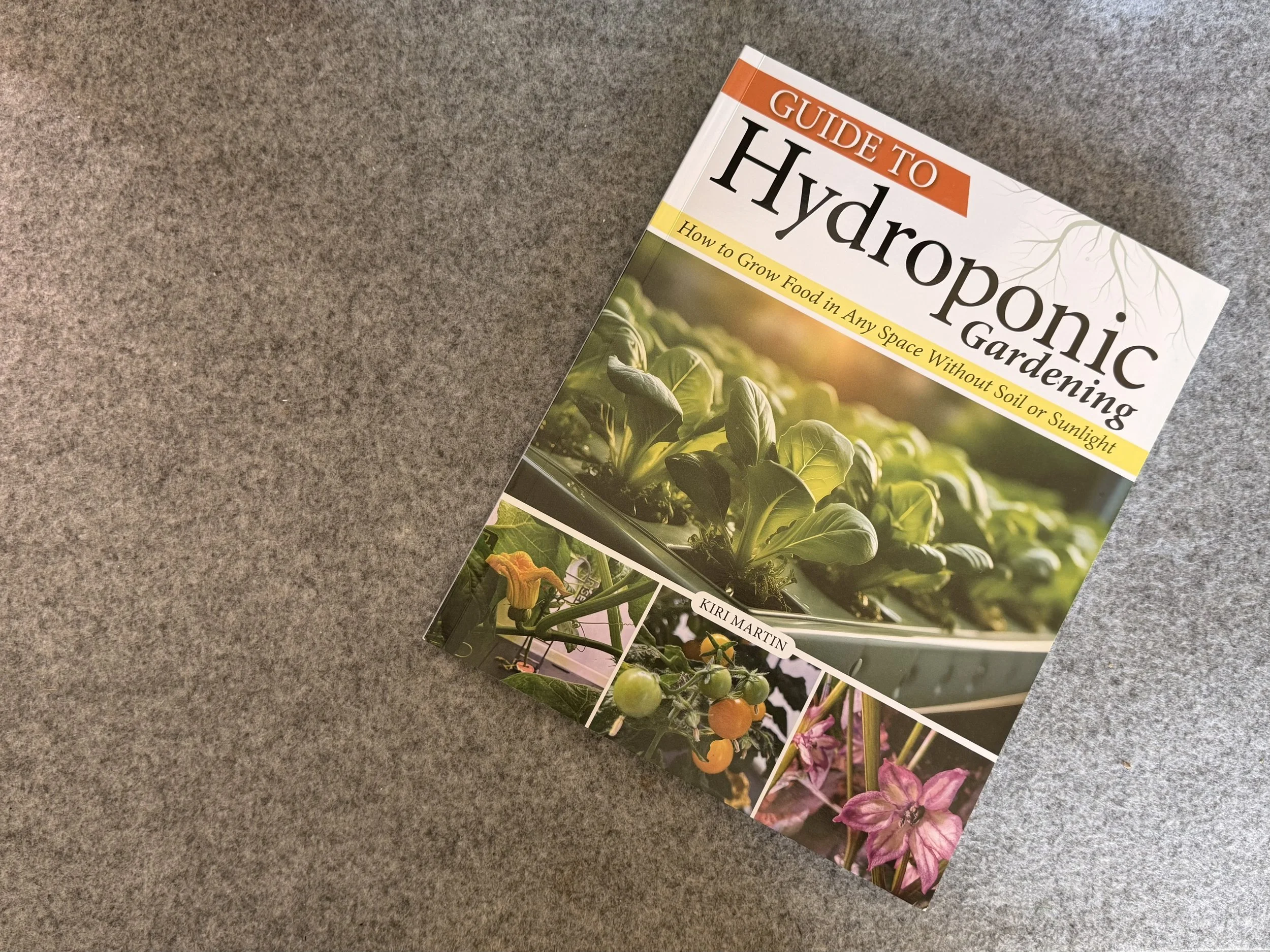
Check out my book
👉 🇨🇦 [Buy on Amazon.ca]
👉 🇨🇦 [Buy on Indigo]
👉 🇺🇸 [Buy on Amazon.com]
👉 🇬🇧 [Buy at Hatchards]
👉 🇦🇺 [Buy at Booktopia]
Step 3: Choose Your Model
Countertop Models
Herb Garden (2 pods): Entry-level
Sprout (3 pods): Great for beginners
Harvest (6 pods): Balanced home setup
Bounty (9 pods): Best countertop option for mixed crops
These are ideal for herbs and leafy greens, especially during winter.
Floor Models (Farm Series)
Farm: Compact vertical setup
Farm Plus: Mid-size (great all-rounder)
Farm XL: Maximum grow height for larger plants
These systems are excellent if you want to grow food year-round in a dedicated indoor space.
Step 4: Don’t Overplant the System
This is one of the most common beginner mistakes.
Just because a system has 24 pods doesn’t mean you should use all 24.
Plants grow fast and take up more space than you expect. Overplanting leads to:
Crowding
Poor airflow
Reduced yields
Leave some space intentionally—you’ll get healthier plants and better harvests.
Step 5: Keep Your System Clean
Clean systems grow better plants.
At minimum:
Wipe spills weekly
Clean thoroughly between planting cycles
A clean system helps prevent algae buildup, root issues, and nutrient problems.
Step 6: Understand the Lights and Maintenance Alerts
Most systems use simple indicators:
Water alert = refill reservoir
Nutrient alert = add plant food (usually every 2 weeks)
As plants grow, they drink more water, so check levels more frequently over time.
Step 7: Don’t Panic About White Growth
If you see white fuzzy growth on pods, it’s usually harmless mycelium.
It’s a natural fungus that can actually support plant health by helping roots absorb nutrients.
In most cases—no action needed.
Step 8: Prune Your Plants Regularly
Indoor plants grow quickly and compete for space.
Pruning helps:
Prevent overcrowding
Improve airflow
Encourage stronger growth
Keep lights about 4–6 inches above the tallest plants to avoid leaf burn and ensure even growth.
Bonus Tips for Outdoor Gardeners
If you already garden outside, hydroponics works best when used alongside your outdoor setup:
Start seedlings indoors before spring
Grow herbs indoors year-round
Keep harvesting greens after outdoor season ends
Think of it as extending your garden—not replacing it.
Final Thoughts
An AeroGarden is one of the easiest ways to bring gardening indoors. For outdoor gardeners, it’s not a replacement for soil—it’s a tool that extends your growing season and increases your total harvest.
Start small, learn the system, and you’ll quickly see how much food you can grow indoors year-round.