🫑 How to Grow Peppers Hydroponically: The Complete Beginner's Guide
There is nothing quite like harvesting a fresh, crisp pepper straight from your own indoor garden. Whether you love sweet bell peppers, crunchy snack peppers, or spicy varieties that add heat to your favourite recipes, peppers are a rewarding crop to grow hydroponically.
Peppers are also one of those vegetables that many indoor gardeners choose to grow because they can be difficult to find consistently fresh—and they are often included on the Environmental Working Group’s (EWG) annual Dirty Dozen list, which highlights conventionally grown produce with higher levels of pesticide residues.
Growing your own peppers gives you complete control over how they are grown, allowing you to enjoy fresh, pesticide-free peppers right from your kitchen. Plus, with the right variety, even small countertop hydroponic systems like AeroGarden, Click & Grow, Rise Garden, and other indoor gardens can produce a surprising harvest.
Disclosure: Some of the links below are affiliate links, meaning, at no additional cost to you, I will earn a commission if you click through and make a purchase.
Quick Facts
| 🌶️ Attribute | Details |
|---|---|
| ⭐ Difficulty | Intermediate |
| ⏱️ Germination | 7–21 days |
| 🌶️ First Harvest | 70–100 days (variety dependent) |
| 💡 Light | 14–16 hours (full-spectrum LED) |
| 🌡️ Temperature | 20–29°C (68–85°F) |
| ⚗️ pH | 5.8–6.5 |
| 💧 EC | 2.0–3.0 |
| 🌸 Pollination | Required indoors |
| 🪴 Best Systems | Countertop hydroponic gardens with at least 12–24 inches of growing height |
| ✂️ Harvest Style | Harvest mature peppers regularly to encourage continued production |
What are Peppers?
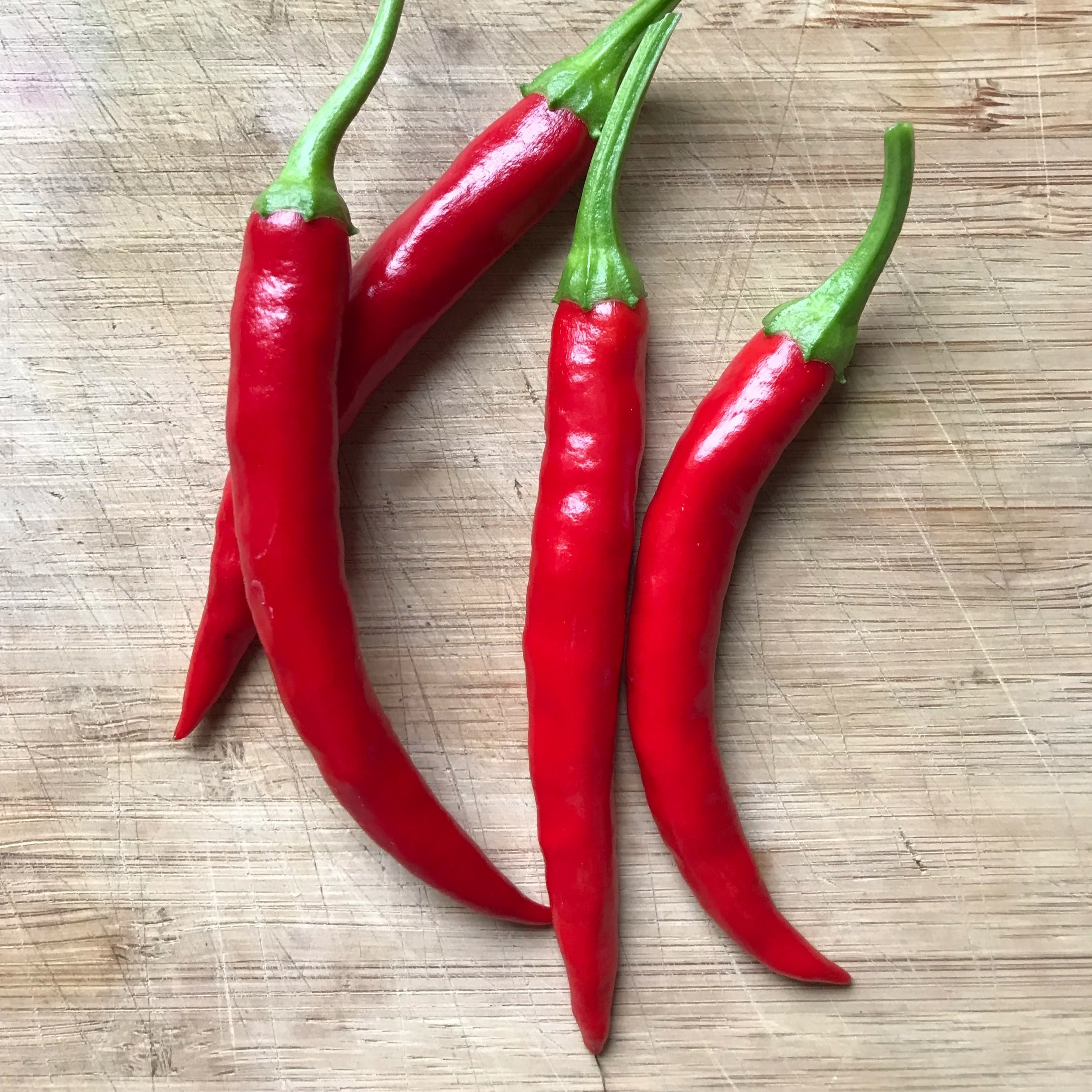
Peppers (Capsicum spp.) are one of the most versatile and rewarding plants you can grow hydroponically. They are part of the nightshade family (like tomatoes and eggplants), peppers come in an incredible range of shapes, sizes, colours, and heat levels—from sweet bell peppers and snack peppers to hotter varieties like jalapeños, cayenne peppers, and habaneros.
While peppers are often grown as annuals outdoors, they are actually tender perennials that can continue producing for months when grown indoors under the right conditions. Whether you prefer sweet peppers for salads and stir-fries or hot peppers for homemade sauces and salsas, there's a variety that's perfectly suited to growing indoors.
Benefits of Growing Peppers Hydroponically
Peppers thrive in hydroponic systems because they receive a consistent supply of water, oxygen, and nutrients, allowing them to focus their energy on producing healthy foliage, flowers, and fruit. Although they take longer to mature than leafy greens or herbs, a well-cared-for pepper plant can reward you with harvests for many months.
Some of the biggest benefits of growing peppers hydroponically include:
🌶️ Fresh peppers year-round – Enjoy homegrown peppers in every season, regardless of the weather outside.
🌱 Compact plants – Many pepper varieties are perfectly sized for countertop hydroponic systems and small indoor spaces.
🍅 Long harvest season – Once established, pepper plants can continue flowering and producing fruit for months.
💧 Efficient water use – Hydroponic gardens recycle water, using much less than traditional soil gardening.
🦠 Fewer soil-borne diseases – Growing without soil helps avoid many common diseases that affect outdoor pepper plants.
🏡 Perfect for small spaces – You don't need a backyard to grow an impressive pepper harvest.
🌈 Huge variety to choose from – Grow everything from colourful mini sweet peppers to spicy jalapeños and ornamental hot peppers that are difficult to find in grocery stores.
With a little patience and the right care, peppers are one of the most productive and satisfying fruiting crops you can grow in an indoor hydroponic garden.
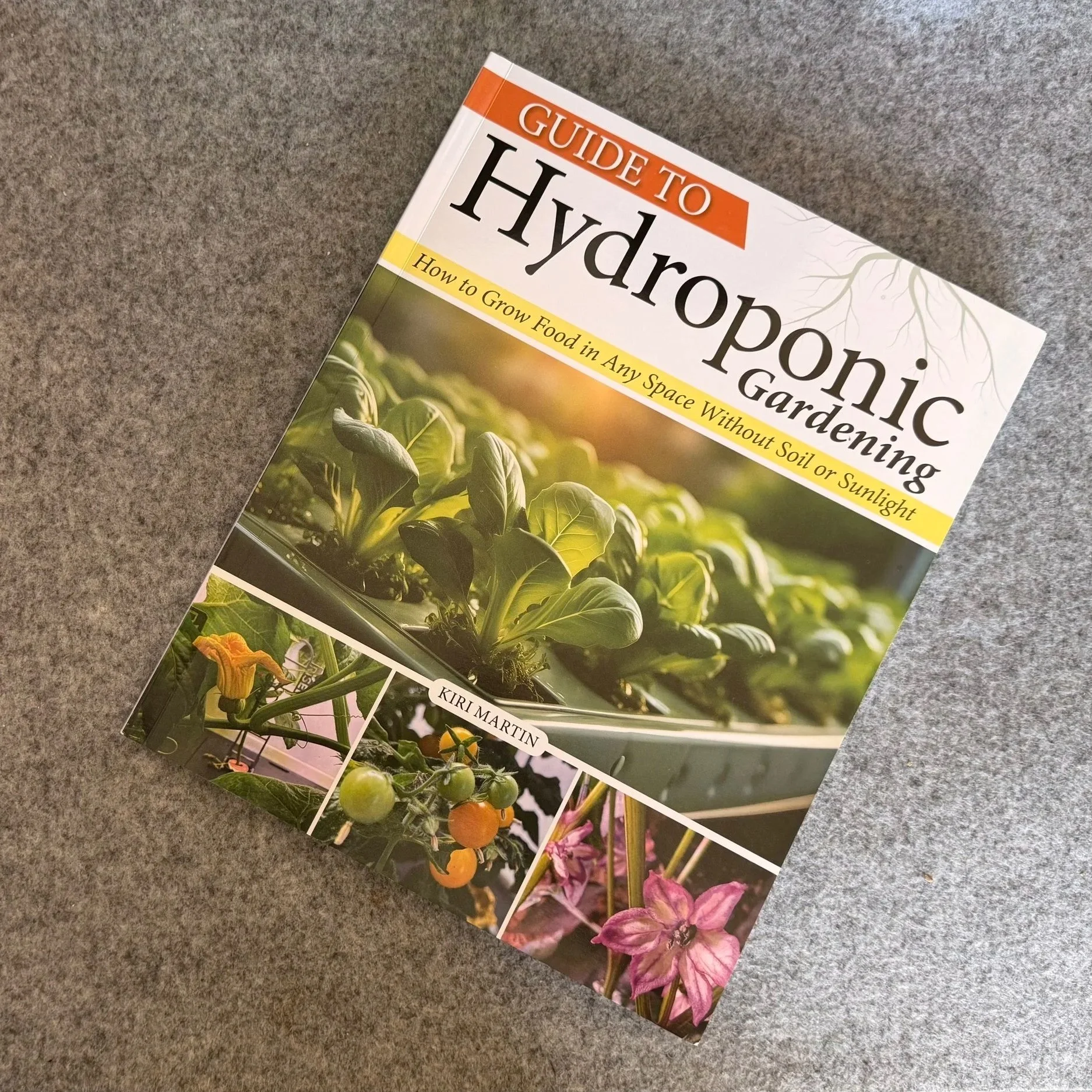
Check out my book!
👉 🇨🇦 [Buy on Amazon.ca]
👉 🇨🇦 [Buy on Indigo]
👉 🇺🇸 [Buy on Amazon.com]
👉 🇬🇧 [Buy at Hatchards]
👉 🇦🇺 [Buy at Booktopia]
Best Hydroponic Systems
The main limiting factor is going to be grow height when it comes to determining the “best” system to use. I like to keep peppers to the bottom level of my Rise Garden or in my AeroGarden Bounty or Farm XL. But as long as your system has an allowable grow height of 18-24” you should be good. If you have a smaller system you can always top your plant, which will also make it bushier. You will also have to stay on top of pruning to make sure the there is 4-6” between the top of the plant and the grow lights. If not the plant leaves will get burnt from touching the lights OR the stems will grow out around and above the light and will get very leggy! It just turns into a bit of a disaster.
Best Pepper Varieties
The “best” pepper variety is definitely in the eye of the beholder—and when it comes to peppers, it also depends on the heat tolerance of the beholder! 🌶️😅
Some people love a pepper that makes them sweat, while others prefer something sweet, mild, and snackable. The great thing about growing peppers indoors is that you can grow varieties you may never find at the grocery store and enjoy fresh peppers year-round.
When choosing peppers for countertop hydroponic systems, I look for varieties that stay relatively compact, produce well indoors, and provide a good harvest for the space they take up.
Here are some of my favourite pepper varieties to grow:
🌶️ Jalapeño
Heat Level: 🌶️🌶️ Medium
A classic for a reason! Jalapeños are one of the most rewarding peppers to grow indoors because they are productive, compact, and easy to use. Harvest them green for a traditional jalapeño flavour or leave them on the plant until they turn red for a sweeter, more mature pepper.
Best for:
Beginners
Salsa lovers
Growers who want a reliable producer
🌿 Shishito
Heat Level: 🌶️ Mild (with occasional surprises!)
Shishito peppers are one of my favourite mild peppers because they are incredibly productive and fun to harvest. Most are mild, but every once in a while, you’ll get a spicy surprise!
They are perfect for snacking, roasting, or blistering in a pan.
Best for:
High yields
Mild pepper lovers
Frequent harvests
🔴 Biquinho
Heat Level: 🌶️ Mild
Biquinho peppers are small, teardrop-shaped peppers that are as beautiful as they are delicious. They have a sweet, slightly tangy flavour with very little heat, making them perfect for salads, pickling, and snacking.
Their compact size makes them a great choice for indoor gardens.
Best for:
Small hydroponic systems
Colourful harvests
Mild pepper lovers
🫑 Sweet Bell Peppers
Heat Level: 🫑 No Heat
Bell peppers are a great choice for indoor growers who prefer sweet peppers over spicy varieties. While full-sized bell peppers can become large plants, smaller mini bell pepper varieties are usually better suited for countertop hydroponic systems.
Best for:
Sweet pepper lovers
Colourful harvests
Fresh eating
🍚 Arroz Con Pollo
Heat Level: 🌶️ Mild
Arroz Con Pollo is a unique pepper variety with beautiful ornamental appeal and excellent productivity. It produces colourful peppers that transition through different shades as they mature.
Despite its beautiful appearance, this pepper is also useful in the kitchen and adds variety to your indoor garden.
Best for:
Unique varieties
Colourful plants
Indoor gardeners who like something different
🌶️ Poblano
Heat Level: 🌶️ Mild
Poblano peppers are a favourite for cooking and are known for their rich, mild flavour. They can grow larger than some other indoor varieties, so they are best suited for a system like the AeroGarden Farm XL with plenty of light and growing height.
They are excellent for roasting, stuffing, and dishes like chiles rellenos.
Best for:
Cooking enthusiasts
Larger indoor gardens
Mild pepper fans
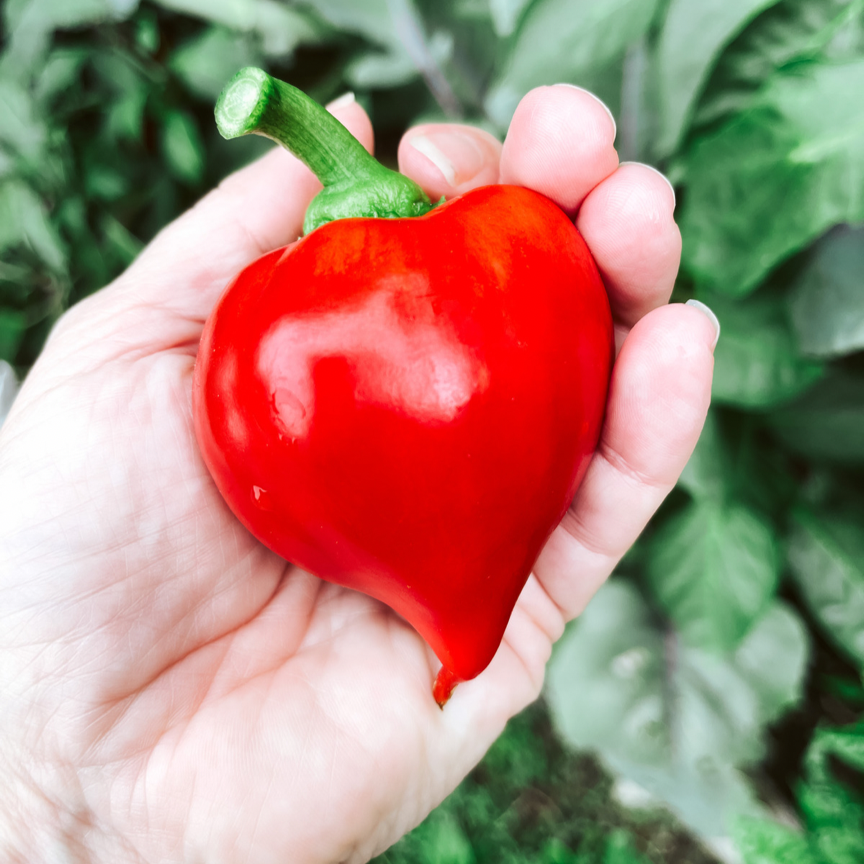
Lesya Pepper 😍
This has to be my favourite sweet pepper! This is one I grew last year in my outdoor garden. I am planning to make some red pepper jelly with them this year for Christmas.
🌶️ Lesya
Heat Level: 🌶️ Mild
Lesya is a beautiful sweet pepper variety known for its unique shape, excellent flavour, and productivity. It produces elongated, colourful peppers that are perfect for fresh eating or cooking.
Best for:
Sweet pepper growers
Unique varieties
Fresh eating
🌶️ Fresno
Heat Level: 🌶️🌶️ Medium
Fresno peppers are similar to jalapeños but tend to have a slightly fruitier flavour and can develop more heat as they mature. They are excellent for sauces, salsas, and adding a little kick to meals.
Best for:
Salsa makers
Medium heat lovers
Productive indoor gardens
🌶️ Paprika Peppers
Heat Level: 🌶️ Mild
Paprika peppers are a fun variety to grow if you enjoy preserving your harvest. These peppers are traditionally dried and ground into paprika powder, giving you the ability to create your own homegrown spice.
They are also attractive plants that produce colourful fruit as they mature.
Best for:
Preserving
Spice lovers
Unique harvests
Quick Heat Guide
🫑 No Heat: Sweet Bell Peppers
🌶️ Mild: Shishito, Biquinho, Arroz Con Pollo, Poblano, Lesya, Paprika
🌶️🌶️ Medium: Jalapeño, Fresno
🌶️🌶️🌶️ Hot: (Habanero, Serrano)
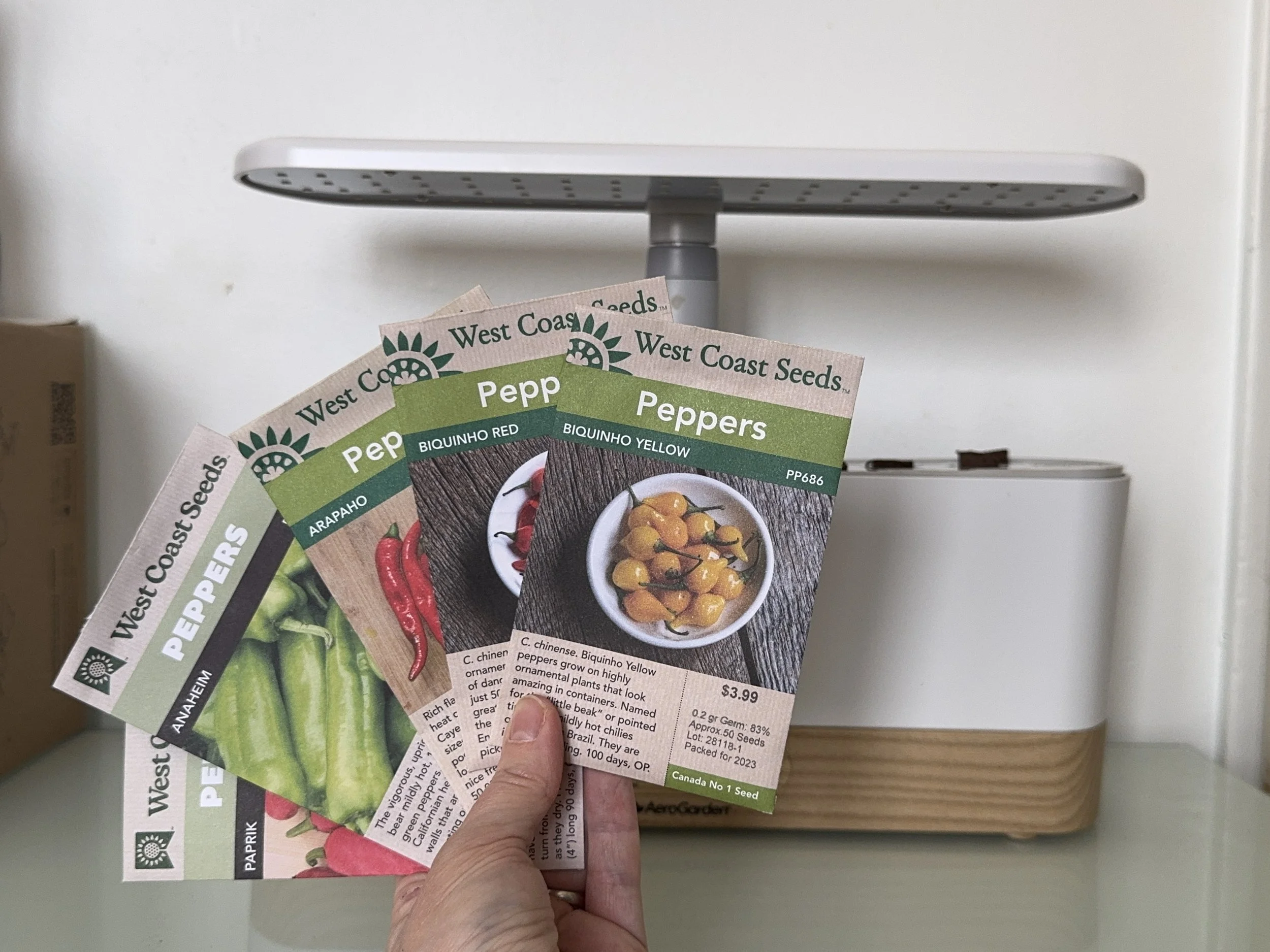
There are so many different varieties of Peppers!
I source a lot of my seeds from Baker Creek Heirloom Seeds — I love them as they have so many heirloom varieties, and they carry varieties you genuinely won’t find anywhere else. Some other great places are West Coast Seeds, Renee’s Garden and MI Gardener. There are SO many varieties, and I am the proud owner of 50+ different varieties!
Starting Peppers from Seed
Starting peppers from seed is easy in most countertop hydroponic systems, using the grow your own pods allows you to select from all sorts of pepper varities as well. While pepper seeds can take a little longer to germinate than herbs or lettuce, a little patience during these first few weeks will set you up for a healthy, productive plant.
Place grow baskets into your hydroponic system
Add 2 pepper seeds per seed pod
Set the pod in the basket and cover with a grow dome (to help them germinate)
Watch for sprouts within 7–14 days
Remove domes before seedlings run the risk of touching them (this could burn delicate leaves)
Once the seedlings have grown their first set of true leaves and gained a little size, then select the healthiest one and remove the other one. You can put the sacrificial lamb in some water to encourage root growth and then transplant into another seed pod or out into the garden.
One thing to watch out for with peppers is helmet-head. This is when the seed gets stuck on the seedling and it doesn’t come off properly, it happens with more frequency with peppers. Making sure that you are using the domes to increase humidity can help, as well as making sure the seed is IN the grow pod, this way the resistance of the pod helps the seed casing to come off.
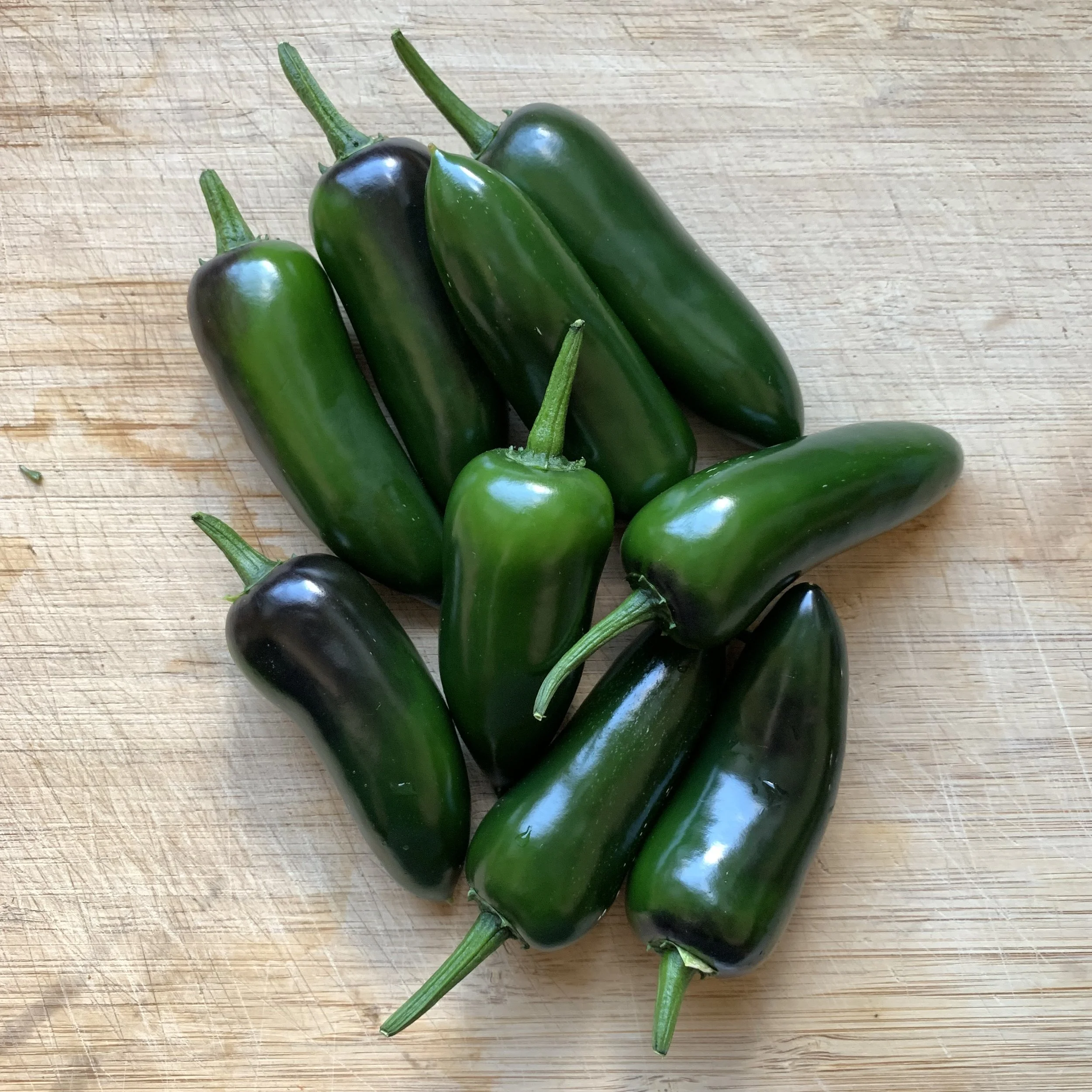
One pepper that I just about always have growing indoors is the trusty old jalapeño! It makes taco Tuesday night so much easier ;)
Target Growing Conditions
Lighting: 14–16 hours/day, using full-spectrum LEDs
EC: 1.8–2.8
pH: 5.8-6.5
Temperature: 21–27°C (70–80°F)
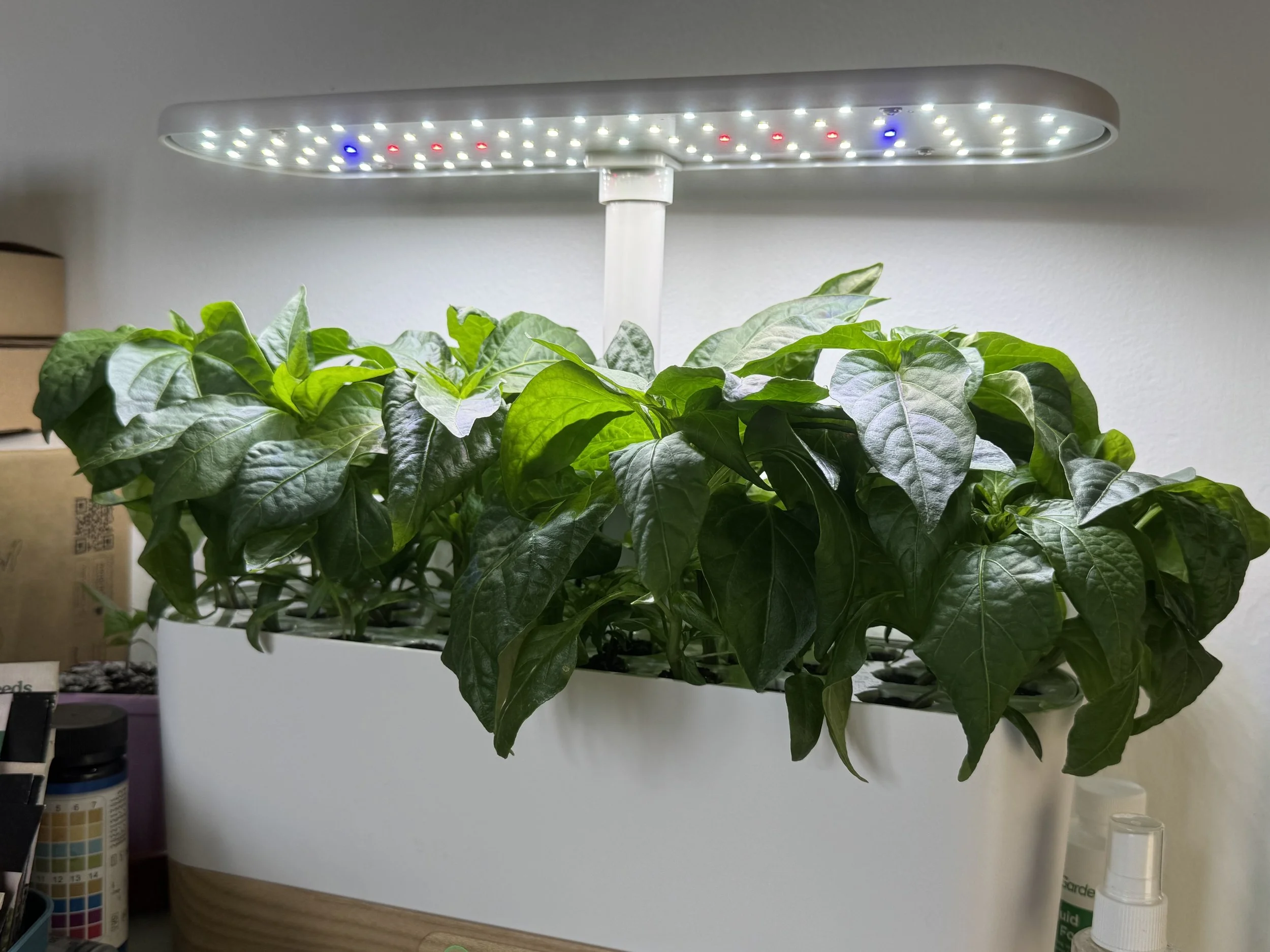
Using my AeroGarden Harvest Slim, to start 23 peppers for my outdoor garden!
Harvesting & Maintaining Peppers
When to Start Harvesting
Peppers are usually ready to harvest 70–100 days from seed, depending on the variety. You can harvest peppers when they reach their full size, even if they are still green, or leave them on the plant longer to develop their mature colour and sweeter flavour.
For example, a green jalapeño will eventually turn red if left on the plant, and many sweet peppers become sweeter as they change colour. Harvesting regularly encourages the plant to continue producing more flowers and fruit.
Harvesting Tips
🌶️ Use scissors or pruners – Pepper stems can be surprisingly tough, and pulling fruit off can damage the plant. Just make sure to clean & sterilize your pruners before each cut using isopropyl alcohol.
✂️ Harvest frequently – Regular harvesting signals the plant to keep producing.
🌈 Let peppers fully ripen for more flavour – Mature-coloured peppers often have a sweeter or more complex flavour.
👀 Check plants regularly – Once peppers begin ripening, they can quickly become overripe.
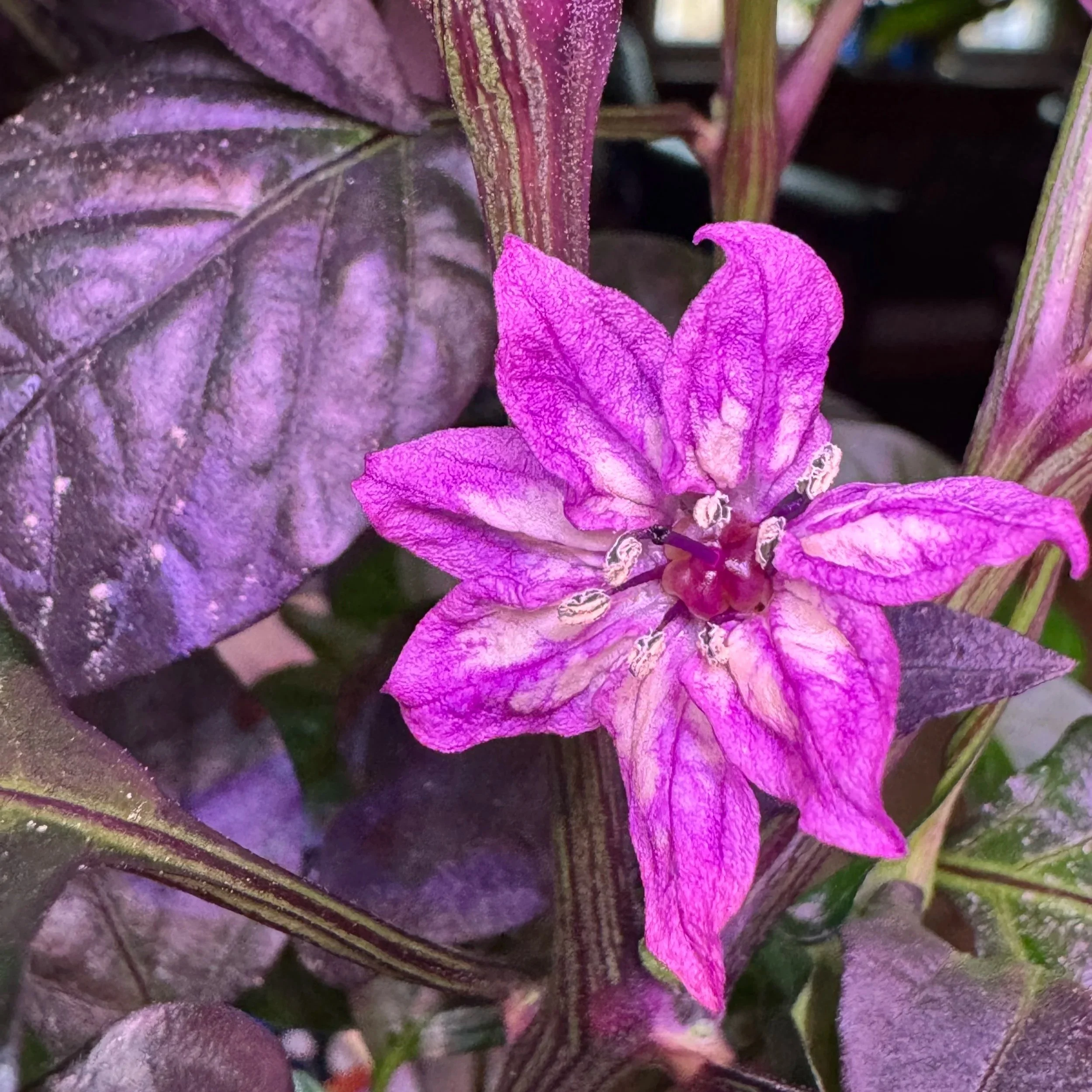
Beautiful Flowers
Pepper can have beautiful flowers like this white and purple one from a hot pepper my brother-in-law was growing.
How Long Do Hydroponic Pepper Plants Produce?
With good care, hydroponic pepper plants can continue producing for 6 months or longer, and some indoor plants can remain productive for a year or more when conditions are ideal.
To keep your pepper plants healthy and productive:
🌿 Remove yellowing or damaged leaves to improve airflow
🌸 Continue pollinating flowers since indoor gardens lack natural pollinators
💡 Maintain strong lighting throughout the flowering and fruiting stages
⚗️ Monitor pH and EC and adjust nutrients as the plant matures
🪴 Support larger plants with stakes or clips if branches become heavy with fruit
Peppers are a slower-growing crop than lettuce or herbs, but the reward is a steady supply of fresh peppers from a single compact plant for months at a time.
Common Problems
| 🌶️ Problem | Likely Cause | How to Fix It |
|---|---|---|
| 🌼 Flowers Dropping | Temperature stress, poor pollination, inconsistent watering, or nutrient imbalance | Keep temperatures between 21–27°C (70–80°F), maintain consistent water and nutrient levels, improve airflow, and help pollinate flowers manually. |
| 🌶️ Flowers but No Peppers | Flowers are not being pollinated or the plant is under stress | Gently shake the plant, tap flower stems, or use a small paintbrush or electric toothbrush to help transfer pollen between flowers. |
| 🍃 Yellow Leaves | Nutrient deficiencies, incorrect pH, overwatering, or natural aging of older leaves | Check pH and EC levels, ensure nutrients are balanced, remove older yellow leaves, and inspect roots for signs of stress. |
| 🌱 Slow Growth | Insufficient light, cool temperatures, weak nutrients, or a young plant that needs more time | Provide stronger lighting, maintain warm temperatures, ensure proper nutrient levels, and be patient—peppers are slower-growing crops. |
| 🍂 Leaf Curling | Heat stress, inconsistent moisture, nutrient issues, pests, or environmental stress | Check for pests, maintain consistent growing conditions, avoid extreme temperature changes, and verify nutrient levels. |
| 🌶️ Peppers Staying Green | Fruit has not reached full maturity yet | Be patient! Many peppers need several additional weeks on the plant to develop their mature colour and sweeter flavour. |
| 🌿 Tall, Leggy Plants | Insufficient light intensity or the plant stretching toward the grow light | Increase light intensity if possible, keep the grow light at the correct height, and prune lightly to encourage bushier growth. |
| 🫑 Small Peppers or Poor Fruit Production | Low light, insufficient nutrients, overcrowding, or the wrong variety for the growing space | Choose compact varieties suited for indoor gardens, provide adequate light, maintain proper EC levels, and avoid overcrowding plants. |
FAQ
-
Yes! Peppers are excellent candidates for hydroponic growing. They thrive when their roots have consistent access to water, oxygen, and nutrients, and many compact pepper varieties are well suited for countertop hydroponic gardens.
-
Absolutely. Peppers can grow well in AeroGardens and similar indoor gardens as long as they have enough light, nutrients, and growing space. The best choices are compact varieties such as jalapeños, shishitos, biquinho, mini bell peppers, and other dwarf or smaller-growing varieties.
Keep in mind that pepper plants can become much larger than herbs or lettuce, so pruning may be needed to keep them manageable.
-
Most peppers take 70–100 days from seed to first harvest, depending on the variety and growing conditions. Hot peppers and larger sweet peppers often take longer, while smaller varieties may produce sooner.
-
Yes. Peppers are self-pollinating, but indoor gardens do not have wind or insects to help move pollen around. Gently shake the plant, tap flower stems, or use a small paintbrush or electric toothbrush to help pollinate flowers.
Good airflow from a small oscillating table fan can also improve pollination.
-
Flower drop is one of the most common issues with indoor pepper plants. It is usually caused by environmental stress.
Common causes include:
Temperatures that are too hot or too cold
Poor pollination
Insufficient light
Nutrient imbalances
Inconsistent watering
Maintaining stable growing conditions and helping with pollination usually solves the problem. When a plant is stressed it is going to go into survival mode and will not focus on producing fruit.
-
Pepper plants are actually perennial in warm climates, meaning they can continue growing for years if conditions are right. Indoors, a healthy hydroponic pepper plant can often produce for 6 months to a year or longer with proper care. I have had plants that have lived and produced fruit for 2 years.
-
Yellow leaves can be caused by several issues, including:
Nutrient deficiencies
Incorrect pH
Overwatering or poor root health
Natural aging of older leaves
Check your nutrient levels and pH before making major changes. If the pH or EC is way off then it can be a good idea to remove the nutrient solution and add in fresh nutrients to bring things back into balance.
-
Many peppers are harvested green, but if you want their mature colour, they simply need more time on the plant. Peppers may take several additional weeks to turn red, orange, yellow, or another mature colour.
Patience is often the solution!
-
Yes, but full-sized bell peppers can become large plants and may be challenging in smaller countertop systems. For indoor gardens, compact mini bell pepper varieties are usually a better choice because they produce well without taking over your growing space.
-
Light pruning can help keep indoor pepper plants compact and productive. Remove damaged leaves, yellowing growth, and any branches that are blocking airflow or light.
Avoid heavy pruning while the plant is actively flowering and producing fruit.
Growing peppers indoors is also a great opportunity to test out topping plants vs not topping! In many areas, like where I am in Canada, we don’t really have a long enough outdoor season for peppers to reach their potential when topped. -
A tall, leafy pepper plant with few flowers or fruit is often a sign that something is missing.
Possible causes:
Not enough light intensity
Too much nitrogen
Plant is still immature
Poor pollination
Once peppers receive enough light and transition into flowering, fruit production should increase.
-
Some of the easiest peppers for indoor hydroponic systems include:
🌶️ Shishito
🌶️ Jalapeño
🔴 Biquinho
🫑 Mini bell peppers
🌶️ Thai chili peppers
These varieties are productive, relatively compact, and forgiving for beginners.Some of the easiest peppers for indoor hydroponic systems include:
🌶️ Shishito
🌶️ Jalapeño
🔴 Biquinho
🫑 Mini bell peppers
🌶️ Thai chili peppers
These varieties are productive, relatively compact, and forgiving for beginners.
-
Yes! Hot peppers are some of the best peppers for indoor growing because many varieties stay compact and produce heavily. With enough light, nutrients, and pollination, plants can provide fresh peppers throughout the year.
Hydroponic Peppers as a Space Saver for your outdoor garden
Peppers grow very well hydroponically and you can tap into their pernnial nature. They will develop woody stems as they age, and I have had jalapeño plants that have produced for 2 years in my systems! So this this another option to free up space in your outdoor garden for things like those indeterminate tomatoes, corn, onions, garlic or any other veggies (or fruits) that don’t lend themselves to indoor growing. Especially when you are growing in a smaller space, you have to be smart about what you grow in the space you have. I am always looking for things I can bring indoors to free up the space outdoors!
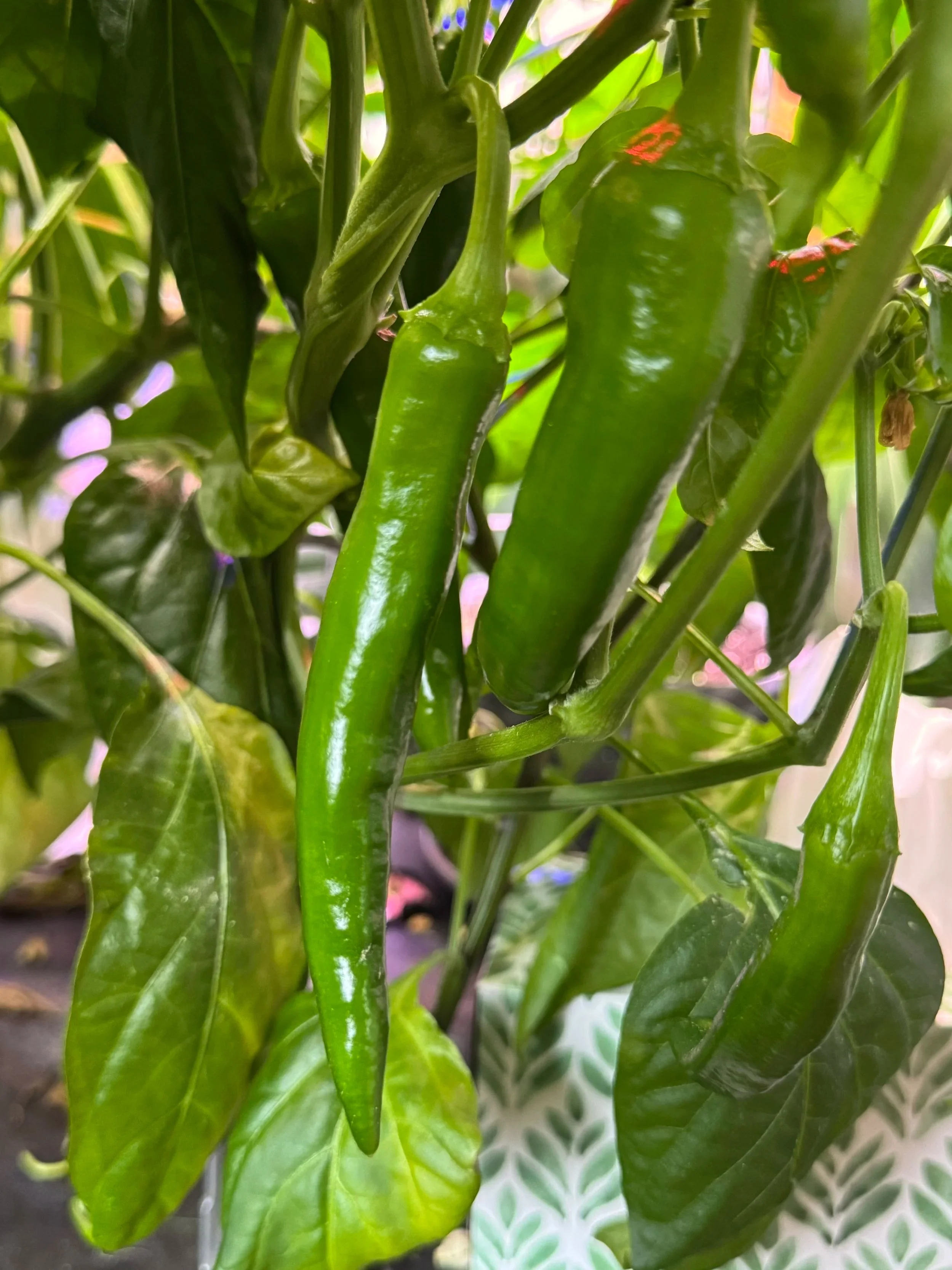
These are some Korean peppers I grew hydroponically to make my own gochugaru.
🌱 Final Thoughts
Peppers are productive plants when grown year-round in a countertop hydroponic garden. While they require a little more patience than leafy greens or herbs, a healthy pepper plant can continue producing for months or even YEARS with the right care. Whether you're growing sweet snack peppers for salads or fiery jalapeños for homemade salsa, harvesting fresh peppers from your indoor garden never gets old.